Driving Strategic Value through Corporate Venture Capital

Since 2014, corporate venture capital (CVC) has participated in over 21% of venture capital deals with 46% of total VC deal value. Yet, according to PitchBook the number of CVC-backed companies their CVC investors eventually acquired has remained below 4%.

If mergers and acquisitions (M&A) aren’t the primary drivers of the active CVC landscape, what motivates companies worldwide to invest in startups?

Investing for strategic advantage

As the world of technology has continued to flourish and startup companies have emerged as drivers of innovation and markets, larger corporations have looked for ways to tap into the startup and venture communities to drive new business growth and stay competitive. Corporate venture capital allows companies to look beyond their core business to explore and drive future growth opportunities.

Unlike traditional venture capital firms, in many cases CVCs invest strategically to align with their parent company’s long-term goals. These investments drive market and technology insights and help foster strategic partnerships that provide startups with access to enterprise resources—such as distribution channels, marketing, and manufacturing—while allowing corporations to stay ahead of industry trends and technological advancements.

Value creation

As HP’s corporate venture arm, HP Tech Ventures focuses on three key areas of value creation:

  1. Strategic Investments—HP Tech Ventures invests in startups aligned with our corporate strategy to drive insights, deepen commercial relationships, strengthen HP’s market position, and hedge against future industry shifts. These investments aim to drive growth while also delivering financial returns.
  2. Startup Partnerships—Supporting commercial partnerships with startups complements HP’s R&D efforts, helping to fill technology gaps and enhance product differentiation.
  3. Startup and Venture Insights—Investing in startups provides HP valuable insights into emerging markets and disruptive technologies. By leveraging these insights, HP can refine its strategy and remain at the forefront of industry innovation.

Example: creating value in Healthcare

HP’s investment and partnership with Adaptiiv led to the development of 3D-printed, personalized accessories for cancer radiation treatments, enabling more precise and consistent radiation dosage.

Example: creating value in Retail

HP’s investment and partnership with AiFi is enabling game-changing retail experiences. AiFi’s autonomous checkout solution is powered by AI computer vision and demonstrates what happens when technology and retail converge to really deliver on what the customer wants: convenience, speed, ease, and a more informed, personalized shopping experience. AiFi’s solution leverages the HP Engage Express and HP Z Workstations to power its next generation retail experience.

Tapping into trends

Strategic investing also offers corporations a way to tap into trends and innovations early. Investing in startups developing new technologies and business models in emerging areas allow companies to stay ahead of customer demand and position themselves for competitive success.  A great example of this is the staggering number of AI Funds created over the past few years by corporations.  From Google’s launch of Gradient back in 2017 to Cisco’s $1B AI fund established in 2024 there is ongoing, deep corporate investing in this emerging area.  In 2024, AI alone accounted for 37% of CVC-backed funding and 21% of CVC deals.

Shaping your future through investment

Long-term growth and adaptability in a rapidly changing world require companies to develop diverse strategic capabilities. Engaging with the startup ecosystem has become a crucial component of corporate success. HP Tech Ventures is dedicated to this mission, using startup investing as a strategic tool to drive innovation and enable future growth.

Blog Innovation

Preparing for Generation Alpha in the Workforce

Throughout history, each generation has left its mark on the workplace, transforming how we work, communicate, and collaborate. From the structured work environments preferred by baby boomers to the tech-savvy, flexible preferences of millennials and Gen Z, workplaces have evolved to meet the needs of emerging generations.

Now, the world is preparing for Generation Alpha (Gen Alpha) — the generation born between 2010 and 2025 — who will soon enter the workforce. With their unique characteristics and expectations, they will once again reshape the future of work.

Like their Gen Z counterparts, Gen Alpha is extremely tech savvy, probably even more so with their exposure to screen technology and AI from such an early age. They are also very brand, and purpose-driven. And early studies indicate they may be more independent and driven than their generational predecessor. These characteristics will deeply impact where, how, and why they choose to work.
As Gen Alpha begins to enter the workforce, their impact will be profound. Here are some key statistics of what to expect:

  • Size and influence: Gen Alpha is projected to be the largest generation in history, with approximately 2 billion individuals globally. (Fast Company)
  • Diversity: In countries like the U.S., more than half of the children born in 2011 were from minority backgrounds, reflecting a future workforce that is more diverse than ever. (Fast Company)
  • Technological fluency: Raised in an era of AI and automation, Gen Alpha will push for the widespread adoption of cutting-edge technologies at work, making them likely champions of digital transformation. (LinkedIn)
  • Education: With access to more online educational tools than any previous generation, Gen Alpha will likely be the most formally educated cohort, with 65% expected to have careers that don’t exist yet. (ExplodingTopics)
  • Entrepreneurial mindset: A significant portion of Gen Alpha , approximately 76%, aspires to become their own boss or have a side hustle, showing a strong entrepreneurial spirit. This generation will likely prioritize flexibility, autonomy, and the ability to launch their own ventures, reshaping traditional career paths and workplace expectations (LinkedIn)
  • Purpose-driven careers: Gen Alpha strongly emphasizes aligning their careers with social and environmental values. According to a VML study, 66% of Gen Alphas prefer to buy from companies that make a positive difference in the world. This focus on purpose-driven work is expected to significantly shape their career choices and influence the future of corporate social responsibility (VML)
  • Prioritization of mental health: Gen Alpha is expected to significantly emphasize mental health and well-being in the workplace. According to the Razorfish study, 75% of 8-to-10-year-olds are already thinking about their mental health, so it’s safe to assume that well-being will be a priority when they enter the workforce. (Razorfish)

Organizations that understand and adapt to Gen Alpha‘s needs will attract top talent and position themselves as innovators. The future workplace will be one of flexibility, digital collaboration, and inclusivity, and Gen Alpha will expect nothing less.

Companies that offer remote work options, prioritize employee well-being, and integrate sustainable practices will appeal to this socially conscious generation. Furthermore, embracing AI and automation will be key to staying competitive, as Gen Alpha will expect technology to enhance productivity and efficiency.

Adapting to these shifts is not just about staying relevant — it’s about seizing the opportunity to foster a culture of innovation and inclusivity. As older generations retire, Gen Alpha will fill these gaps, bringing fresh perspectives and energy into the workforce.

As we prepare for Gen Alpha to join the workforce, it’s clear that they will drive a new era of workplace transformation. Their comfort with technology, emphasis on flexibility, and commitment to inclusivity will challenge companies to evolve rapidly. The businesses that recognize and respond to these shifts will thrive, while those that resist may struggle to keep up.

So, as we look toward the future of work, the question remains: Is your organization ready to embrace the Generation Alpha revolution?

Futurism & Technology Trends
Tech Trends - Light Bulb with futuristic look

10 Tech Trends & Weak Signals to Watch in 2025

With the new year approaching, it’s time to look to next year with a keen eye on tech trends and weak signals. I expect to either accelerate in adoption, have breakthrough moments, or continue to advance with potential future breakthroughs in the next three or so years.

My 2025 tech trends naturally fall into three categories: Game ChangersFoundational Breakthroughs, and Weak Signal Wild Cards.

Game Changers are set to have a significant impact on industries, societies, and markets in 2025 and beyond. Will transform how we work, learn, and live.

Foundational Breakthroughs are major technological advancements needed for game changer technologies to succeed.

Weak Signal Wild Cards present the opportunity to be a future game changer of a foundational breakthrough but still in a nascent stage with a number of headwinds to overcome.

Let’s look at the leading tech trends in each.

Game Changers

  1. Artificial Intelligence (AI): This may not seem new. I’m sure we are all suffering a bit from AI fatigue, but that doesn’t discount the fact that AI represents one of the biggest technological shifts we’ve seen in our lifetimes, perhaps in anyone’s lifetime. In 2025, AI’s impact on nearly all industries will continue to grow, with significant advancements in Artificial General Intelligence (AGI). Fast-moving AI advancements will move beyond chatbots to AI Co-workers, Personalized AI, Digital Clones, and AI Wearables.
  2. Humanoid Robotics: Citi analysts recently estimated that Humanoid Robots could create a $7 trillion market in the next 25 years. New foundational modals, multimodality, dexterity advancements, and edge computing make a world in which robots seamlessly move among us more of a reality. Just ask Clone AlphaTesla Optimus, or Figure 02.

3. BioTech and Synthetic Biology: Synthetic biology is another area I expect we will continue to see rapid advancement in. Allowing for gene editing (CRISPR), cellular agriculture, and biomanufacturing. Innovations in gene synthesis, metabolic engineering, and biofabrication are pushing the boundaries of what can be created in the lab.

Foundational Breakthroughs

4. Advance Compute: HP has been touting advance compute innovations for a number of years, but with compute intensive applications like AI on the rise we are seeing this area explode with innovation. From super computers to computers-on-a-chip, chips cooled by microfluidics, and composable computing, as seen with HP Boost, advance compute innovations are coming to market faster and faster.

5. Clean Tech: Energy-hungry technologies such as AI are fueling clean energy demand. We have seen a plethora of clean tech products and services focusing on energy efficiency and/or sustainable reuse, and I expect that to accelerate in the new year, too.

6. Nuclear Energy: Speaking of AI’s impact on the world energy supply, we will see increased demand for nuclear energy and small modular reactors to help power the supercluster data centers that are required to power AI.

7. Next-Gen Energy Storage: Solid-state batteries are seen as the successor to current lithium-ion batteries, offering greater energy density, faster charging times, and enhanced safety. That’s why companies like Toyota and QuantumScape are leading R&D efforts to commercialize solid-state batteries by the mid-2020s.

Weak Signal Wild Cards

8. Quantum Computing: A little farther on the horizon is the practical adoption of quantum computing. From cryptography to drug development, materials science, and more, quantum computing holds the potential to solve some of the most complex problems not solvable with classical computing today. The opportunity for this tech trend is ripe, but a few headwinds must be overcome first.

9. 6G Networks and Hyperconnectivity: 6G is forecast to offer speeds 500x faster than 5G, enhancing Internet of Things (IoT) applications, real-time AR/VR, and autonomous systems. Operating at such higher-frequency bands will require new cellular infrastructure and device enhancements.


10. Space Tech: Will space travel be for non-billionaires too? Technologists, aeronautics, and space engineers seem to believe so. Space exploration is poised for commercial dominance, with private companies pushing boundaries in space tourism, mining, and settlements.


In the new year, we will dive deeper into the tech trends in each category, analyzing their potential, the major players and boundary-pushing startups, headwinds and tailwinds, and unexpected outcomes.

This prepares us to harness these tech trends so we can anticipate what’s coming and take advantage of them instead of being disrupted by them.

Blog Futurism & Technology Trends

Your greatest superpower: become a change agent

The pace of change just continues to accelerate.  From near-interstellar spaceships to self-driving robots, and AI professors at Ivy League schools, innovation and invention are happening at breakneck speeds.

So as business leaders, marketers, salespeople, etc. how do we not only deal with all this change but embrace it to create the future we envision?

Become a change agent

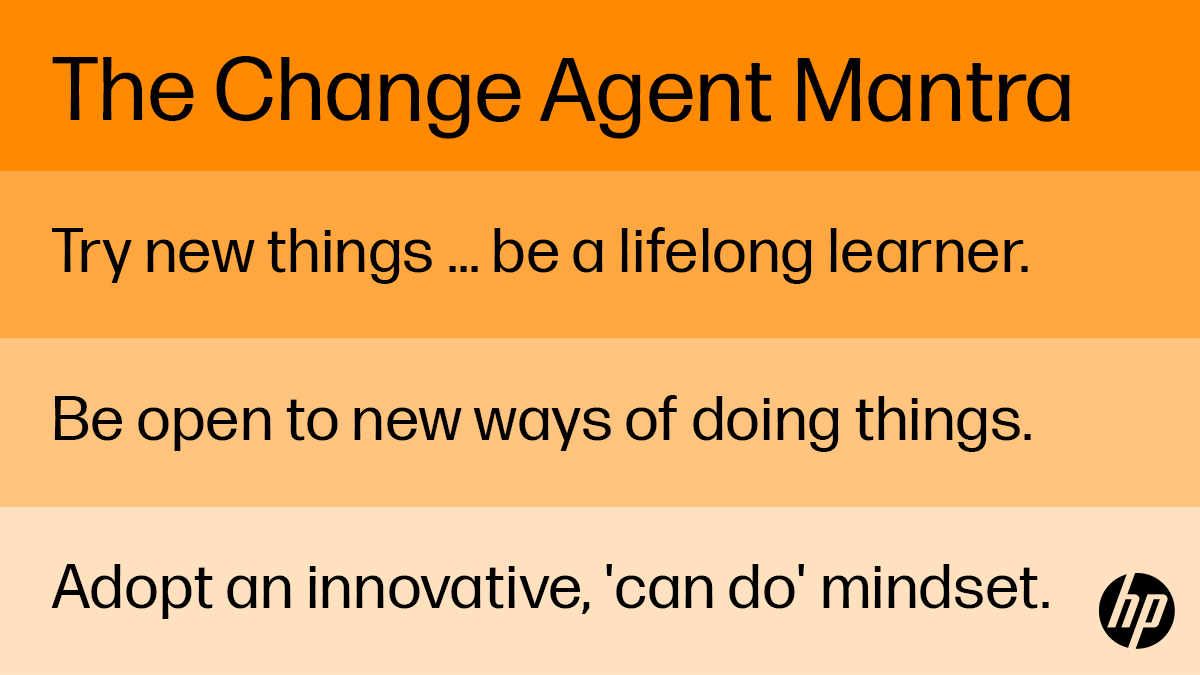
Being a change agent means being the person your organization, your customers, and your partners rely on to help them navigate and tap into the changing world around us. There are lots of ways to do this. A good place to start is with what I think are three core principles of an effective change agent.

Embrace change

This may sound simple, but it’s a lot harder than you think. I remember an HP training class I took back in the day.  We were talking about how to work with people who didn’t have the same point of view as you. They used a physical metaphor that really hit home for me and that I still remember. If you push someone their natural instinct is to push back. But if you walk with someone in the same direction they’re already going, it is much easier to walk alongside them. Once you are walking together, you can then lead them in a different direction. Much like the marital art of Aikido, where you use someone’s strength and power to your advantage.

Don’t try to wrestle all this change to the ground. Walk with it instead. Then use it to take you in whatever direction you want to go. Approach change as an Aikido master and not the Incredible Hulk!  Take time to understand it, why it’s happening, and how it can best serve you and your business.

Lead by example

Think about the challenges your customers and partners are facing.  Take those challenges on with them and be their improv partner, helping them look for new approaches and ways to tap into change to solve problems.

Help them expand their thinking and think “out of the box” by challenging them with “what if” questions.  This can help broaden their view and uncover ideas they may never have considered before.  Also share examples of how new approaches have made tangible impacts.

Monitor shifts

Finally, it’s critical to understand the trends and technologies that are shaping the world around us.  So, you can anticipate what’s coming, and help your organization and customers catch these shifts early so they can take advantage of them instead of being disrupted by them.  You need to be constantly monitoring shifts and weak signals to stay ahead.

I recently gave a talk on some of the trends and disruptive technologies we are helping our customers to better understand and tap into.

I encourage you to become a change agent. Watch for trends, technologies, and shifts. Proactively look for ways they apply to your business as well as your customers’ business.  Tap into internal and external innovation, share best practices, and most importantly make change your new best friend.

Become an expert in change. Understand it and leverage it to help customers. Be their trusted advisor and a thought leader. Because when it comes to dealing with change remember to be an Aikido Master, not the Hulk.

Uncategorized

A Day-In-The-Life with Generative AI Part 2: Maximizing Efficiency

Generative AI is becoming embedded in our everyday lives and transforming how we approach daily tasks and activities. With AI seamlessly integrated into our routines, we can experience efficiency and personalization that was once the realm of science fiction.

Remember Aiden, a 26-year-old living in San Francisco, who weaves AI into her daily life to optimize her productivity and enhance her experiences? She’s not the only one leveraging generative AI to create a more streamlined daily life.

Meet Dylan, a 40-year-old corporate executive who expertly uses AI to be more productive, achieve his fitness goals, and maximize his free time.

Morning Start

GIF showing AI-generated vivid dream replay. Very colorful

Dylan enjoys an AI-generated replay of a vivid dream he had, complete with visual and narrative details, providing creative inspiration and insights as he starts his day.

Digital news feed from AI

A customized AI-generated news briefing, with curated headlines and stories based on his preferences and current interests sets a focused tone for Dylan’s day.

bike workout screen with data from AI trainer

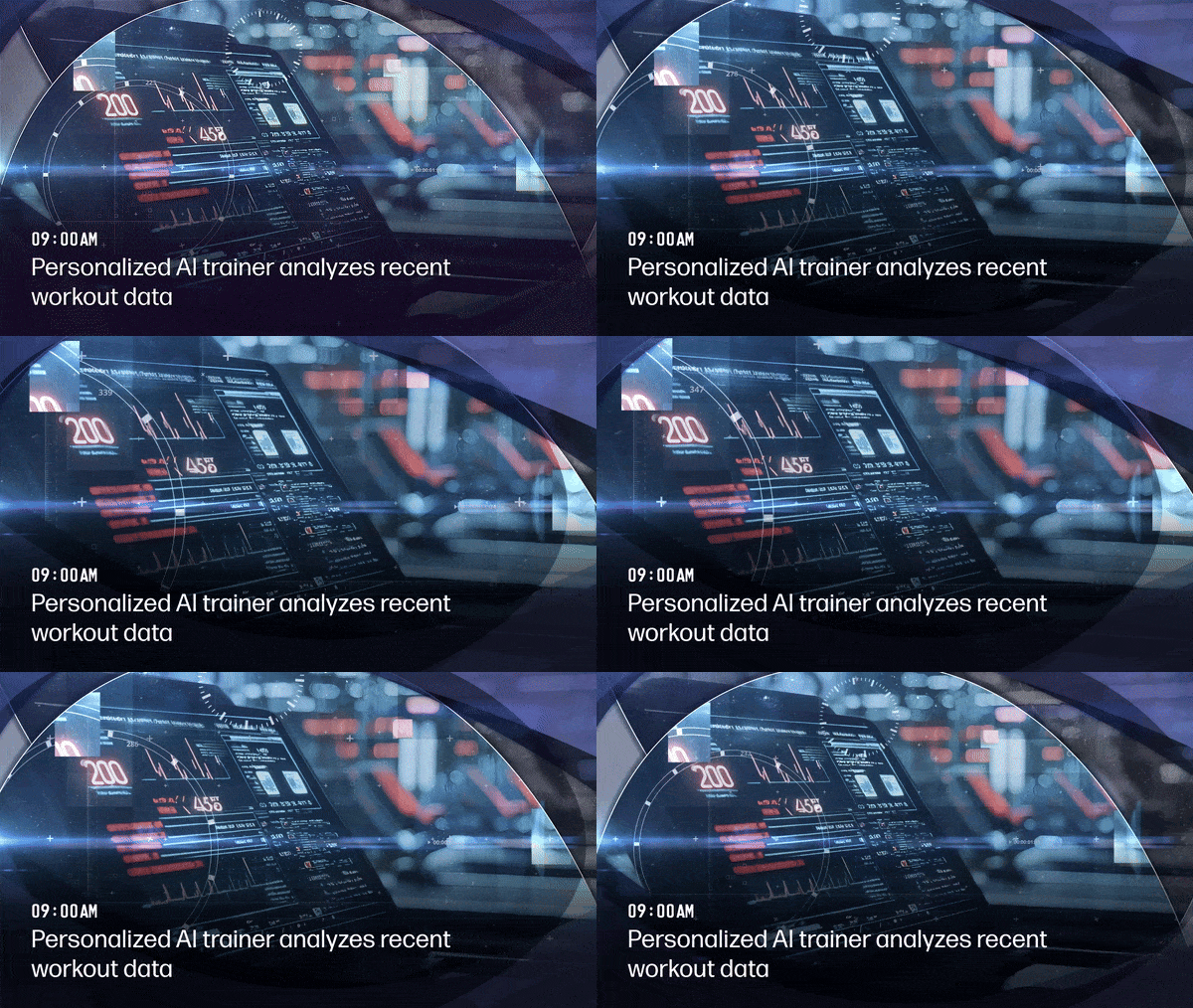
After the news briefing, Dylan’s personalized AI trainer analyzes his recent workout data and suggests a customized exercise routine, including specific cardio and strength training exercises to help him meet his fitness goals.

Efficient Afternoon

food shopping bag ordered by AI chef

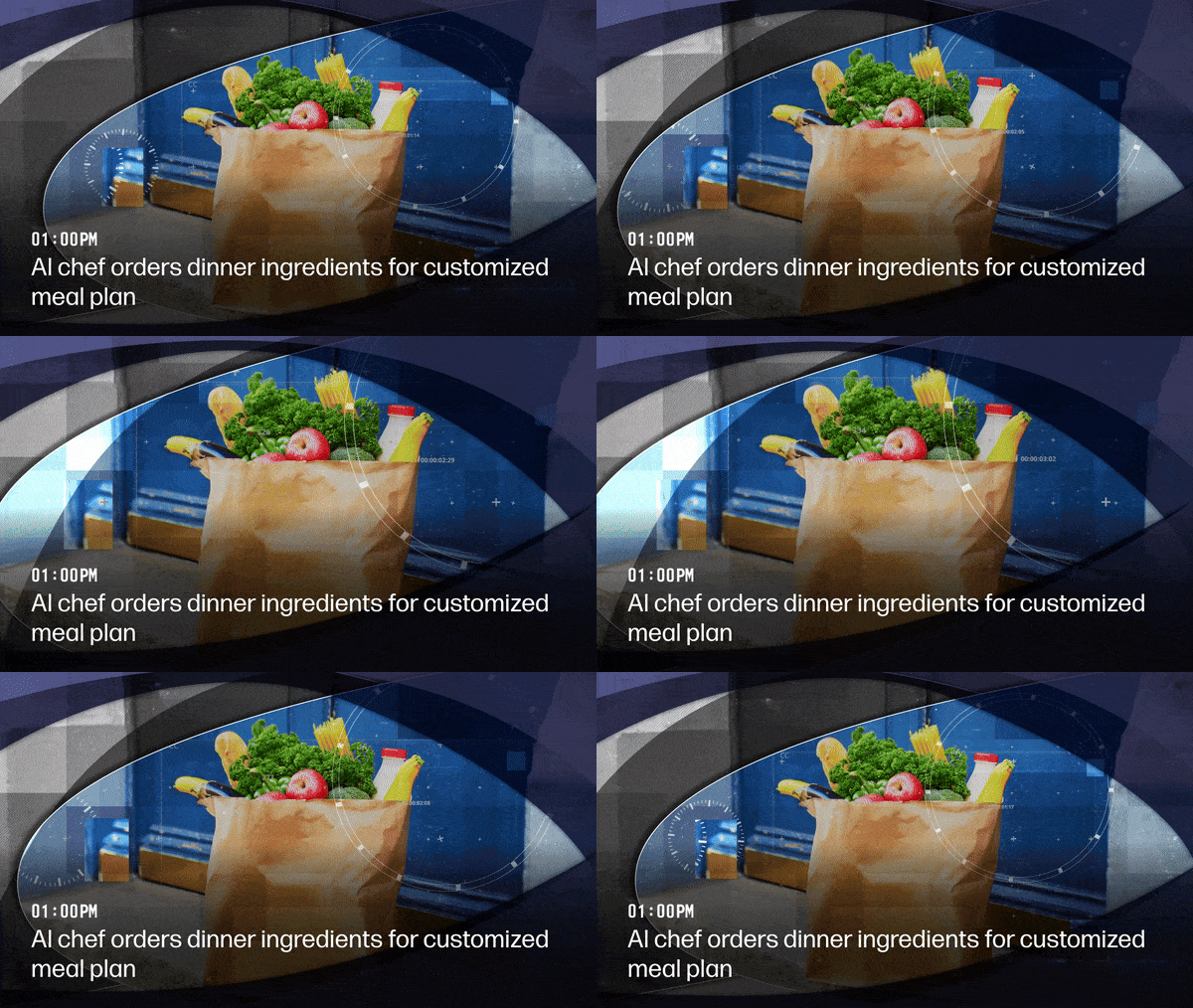
Dylan’s AI Chef orders culinary ingredients according to his AI customized meal plan and schedules delivery, ensuring he has fresh produce and essentials for later, delivered by an AI robot personal shopper.

smart watch on wrist sending emails automatically

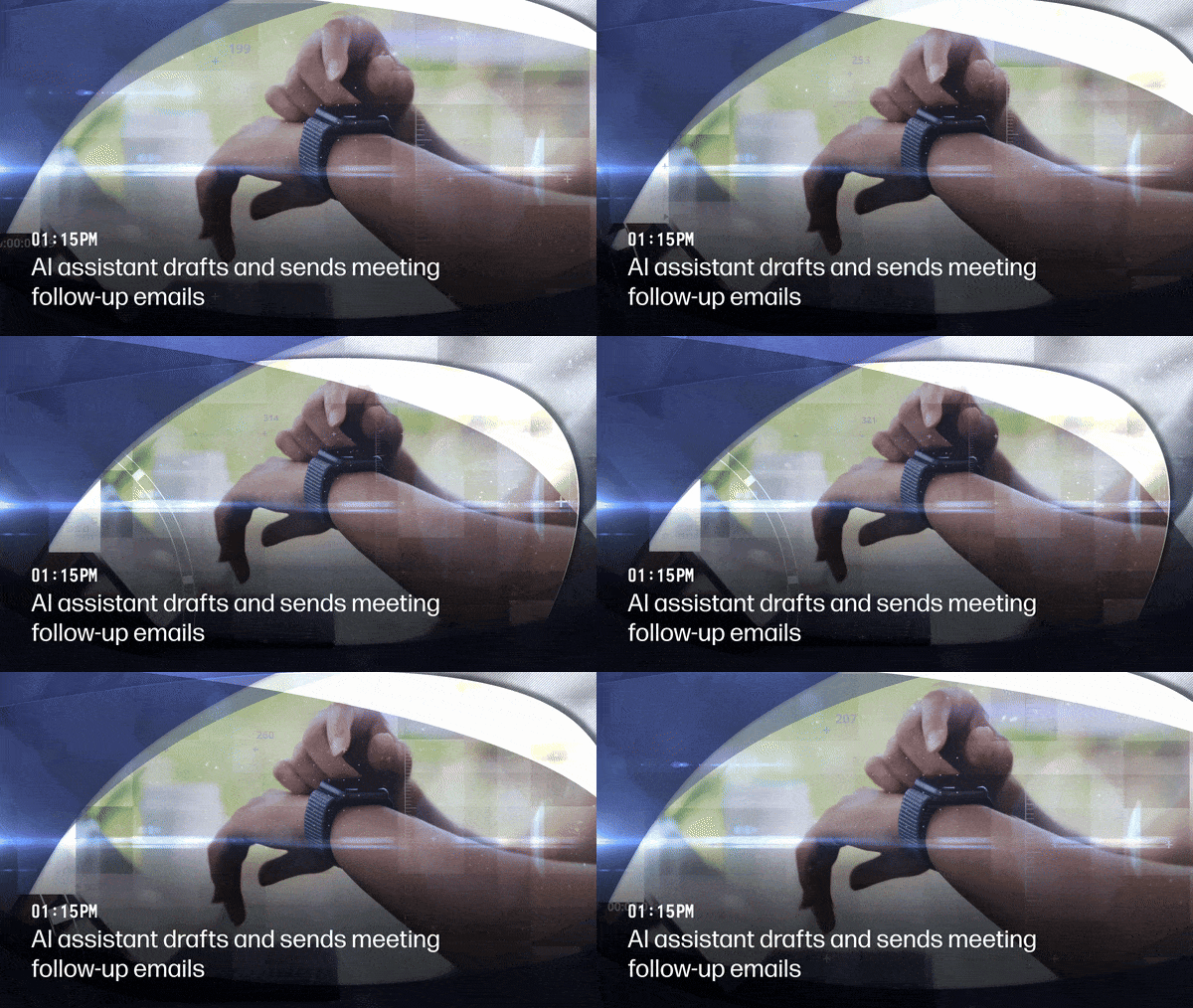
While in a meeting, Dylan asks his AI assistant to draft and send follow-up emails, including a proposal for a new project. This allows him to focus on strategic planning while the AI handles the communications.

Engaging Interactions

Virtual Reality meeting with Madam C.J. Walker

During a staff meeting, an AI-powered digital twin of Madam C.J. Walker joins Dylan’s team for a Q&A session. Walker shares insights into her entrepreneurship, philanthropy, and social activism approaches.

Virtual Tutor

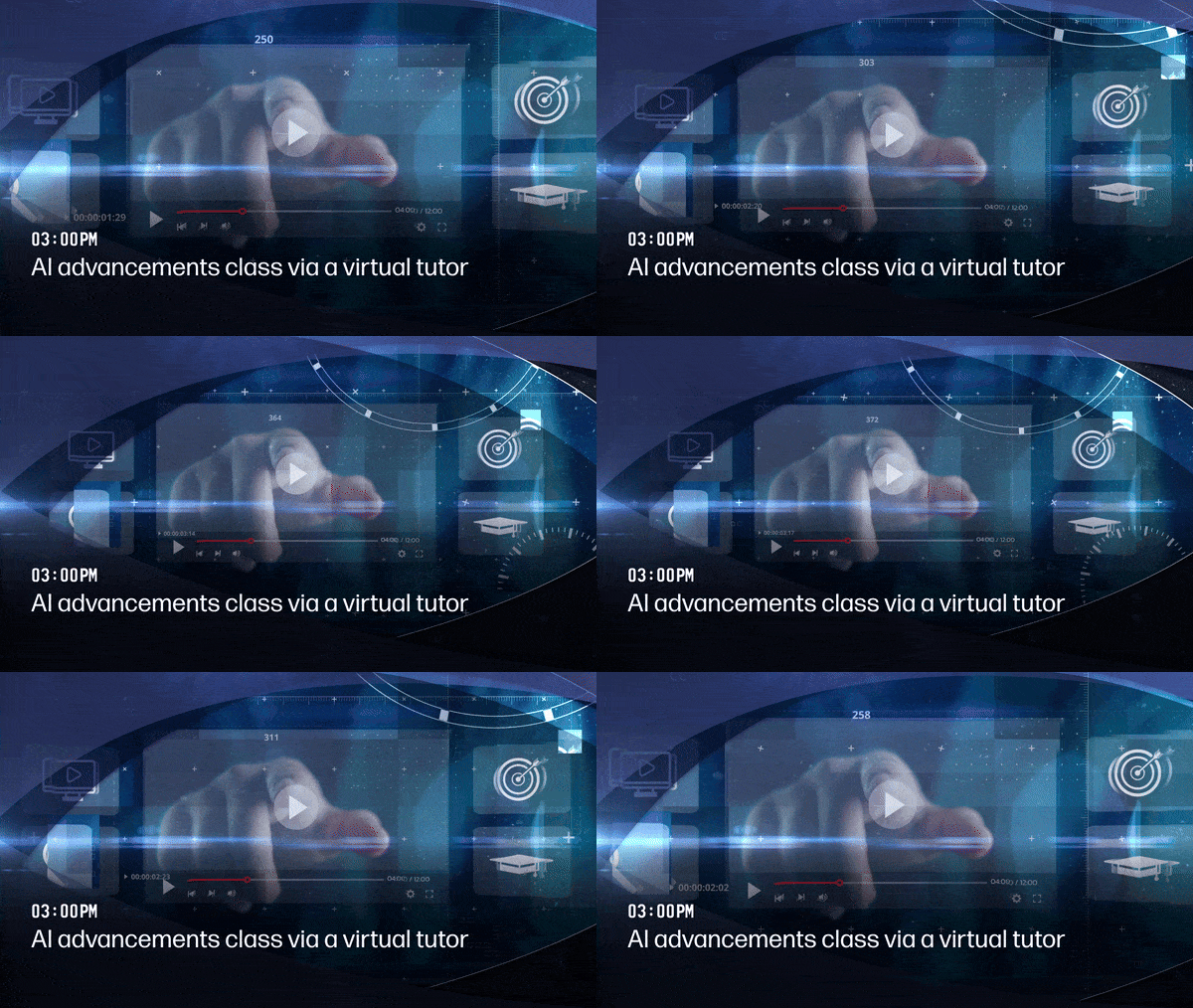
Dylan takes a break to learn about AI advancements via a virtual tutor, exploring topics like machine learning algorithms and their practical applications in his industry.

Wearable device capturing meeting notes

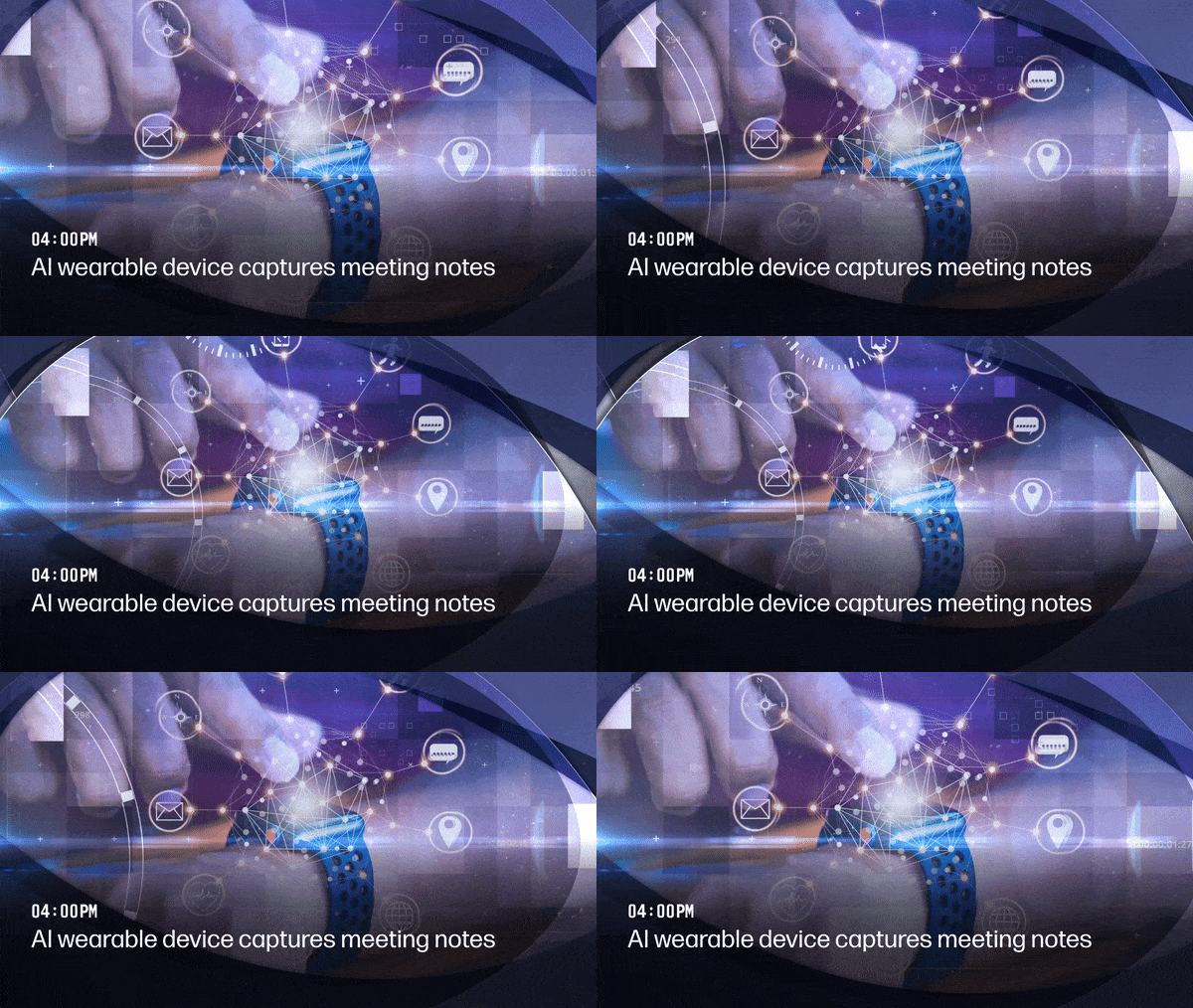
His AI wearable device discreetly reminds him of key contacts he met earlier, captures important meeting notes, and follows up on promised actions.

Evening Relaxation

Chicken and broccoli meal prepared by a Robot

As he winds down from work, Dylan’s robot sous-chef prepares a gourmet dinner, following a recipe from his meal plan, while he relaxes and catches up on personal projects.

Personalized movie on a TV screen

Dylan ends his day watching a movie tailored to his tastes and current mood, with AI creating a personalized viewing experience with a custom storyline.


Generative AI can transform how to manage tasks, access information, and enjoy leisure time. It’s not just about efficiency; it’s about creating a more personalized and enjoyable experience.

How do you envision generative AI transforming your routine and bringing more ease and excitement into your daily life?

Blog Futurism & Technology Trends Innovation

A Day-In-The-Life with Generative AI: A Glimpse into the Future

Technology is seamlessly integrated into our daily routines, and generative AI will revolutionize how we live and work. Let’s imagine a day in the not-too-distant future where generative AI doesn’t just serve as an assistant but as an active participant in every aspect of your life.

Meet Aiden. As a 26-year-old living in San Francisco, Aiden spends her time working at a healthcare startup, socializing with friends, and focusing on hobbies like fitness and reading. Here’s a peek into what a typical day for her might look like with generative AI:

Morning Routine

AI trainer delivers a custom workout plan

Aiden likes to exercise before she starts her day. Her AI trainer sends her a customized workout plan each morning and adjusts her exercise plan based on her current fitness goals.

Digital twin of women attending a virtual meeting

After she finishes her workout, Aiden is ready to start her workday. A morning meeting pops up that could have been handled as an email. Aiden sends her digital assistant to attend the online meeting on her behalf.

Aiden’s digital twin participates by handling routine discussions and updates. As soon as the meeting is complete, her digital twin sends Aiden the meeting notes, key takeaways, and action items.

flying car over Oakland, CA

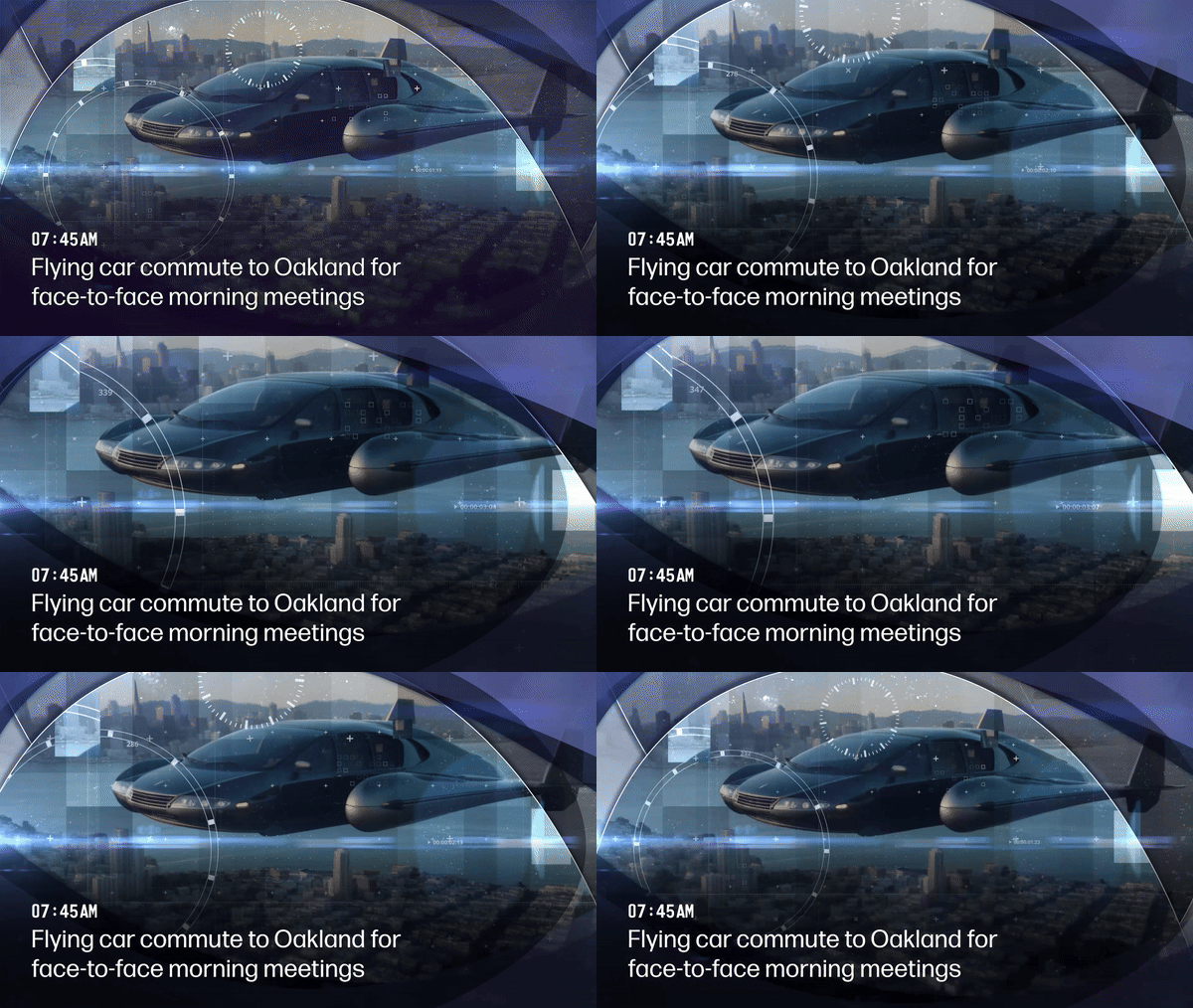
While her digital twin is in the meeting, Aiden takes a flying car to a face-to-face meeting in Oakland with her boss. With this commute, she cuts down on travel time and avoids traffic on the ground.

Robot feeding a black and white husky dog in a living room

Aiden attends her face-to-face meeting in Oakland, while a humanoid robot manages her household chores back at her apartment – feeding her dog, cleaning her kitchen, folding her laundry, and preparing her lunch. By offloading mundane tasks, Aiden can focus on more high-level tasks, such as in-person meetings and sharing her latest strategy ideas.

Health, Wellbeing, and Lunch

watch showing vital signs being captured and sent to an AI doctor

Aiden continues to work while wearing her AI wearable. Her AI doctor monitors her health statistics and raises a couple of irregularities to Aiden’s human doctor, who is based in Sacramento. When she receives the information, her human doctor sends a report to Aiden with key takeaways, updated prescriptions, and health information.

The meeting concluded in Oakland, and Aiden got a promotion! She’s thrilled and heads back to the City for lunch. On her way home, she sends a request to her AI Assistant to invite her friends for happy hour at her apartment to celebrate her promotion.

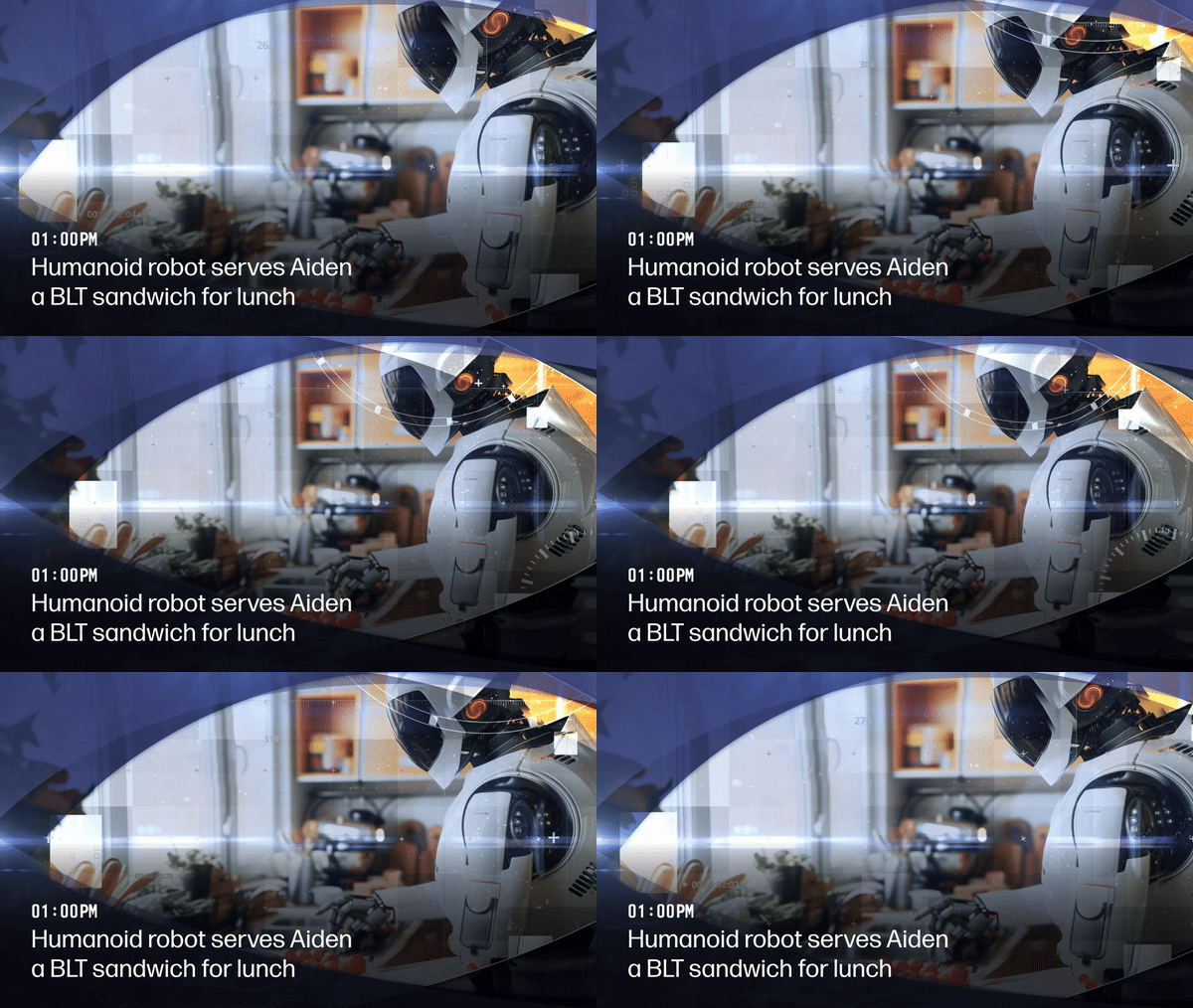
Once Aiden returns to her apartment, she enjoys the BLT her humanoid robot prepared for lunch while she answers work messages.

Happy Hour

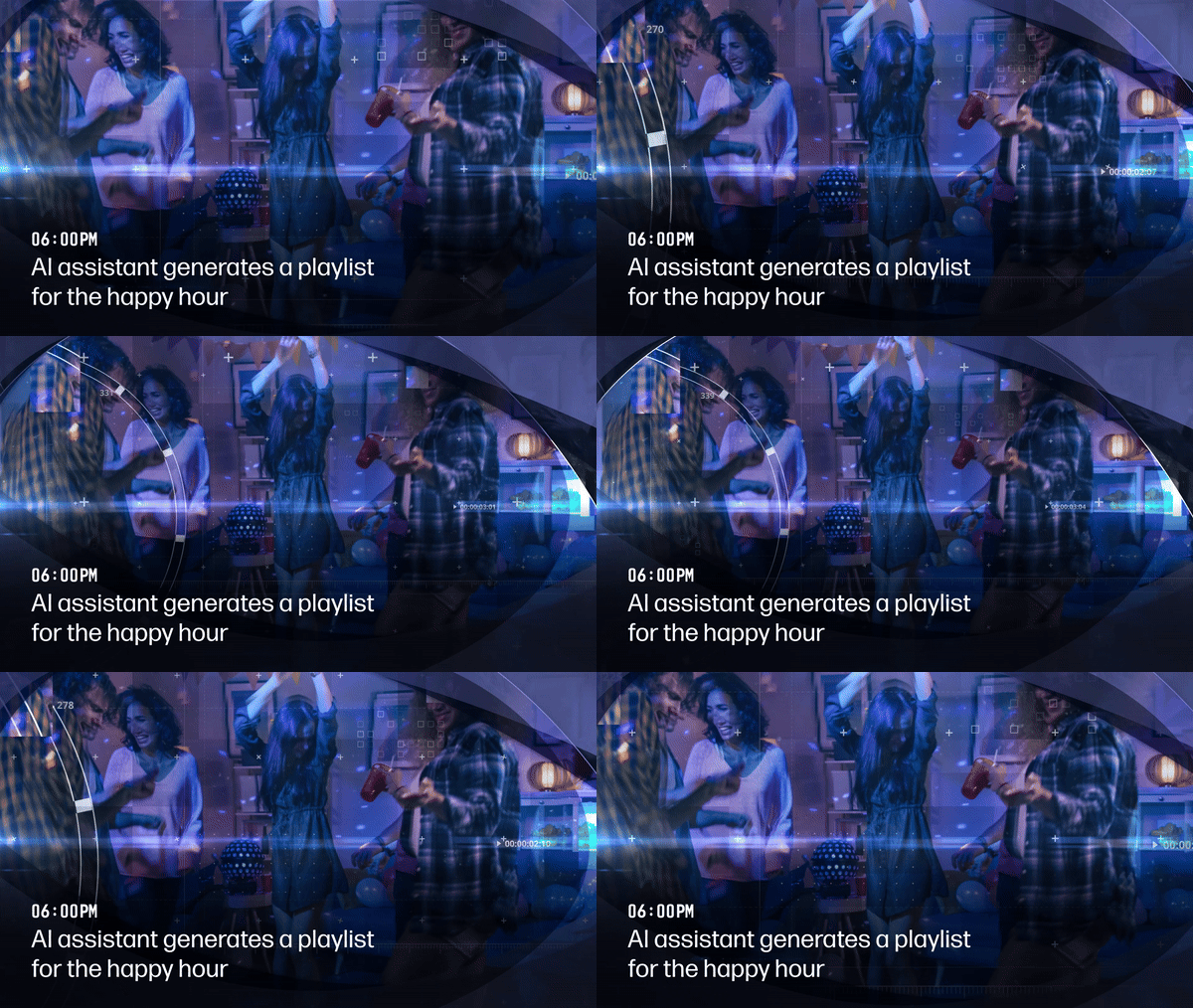
Young people dancing in a living room

As Aiden’s friends arrive to celebrate her promotion, her AI generates a celebratory playlist for the happy hour.

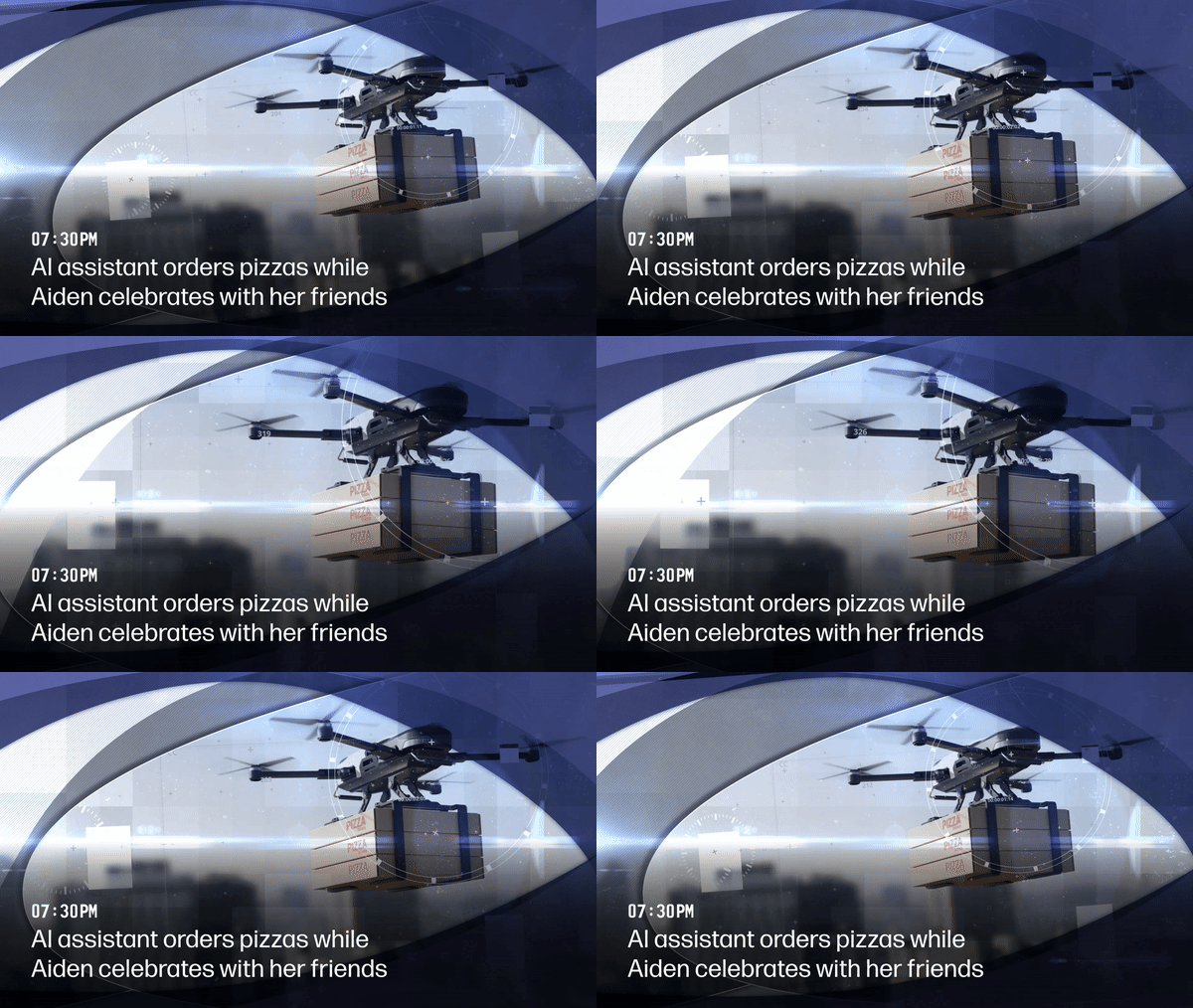
Drone delivering pizza

Aiden’s friends toast her accomplishment, and in the background, her AI assistant places an order for pizza delivery which her humanoid robot receives and brings inside. Enjoy!

Evening Routine

AI assistant lowers the lights in a living room

Aiden’s friends head home, and her AI assistant adapts the lighting and sound to her relaxation needs, offering her a comfortable and personalized environment to unwind. She settles into the couch to watch a series curated specifically for her previous viewing preferences.

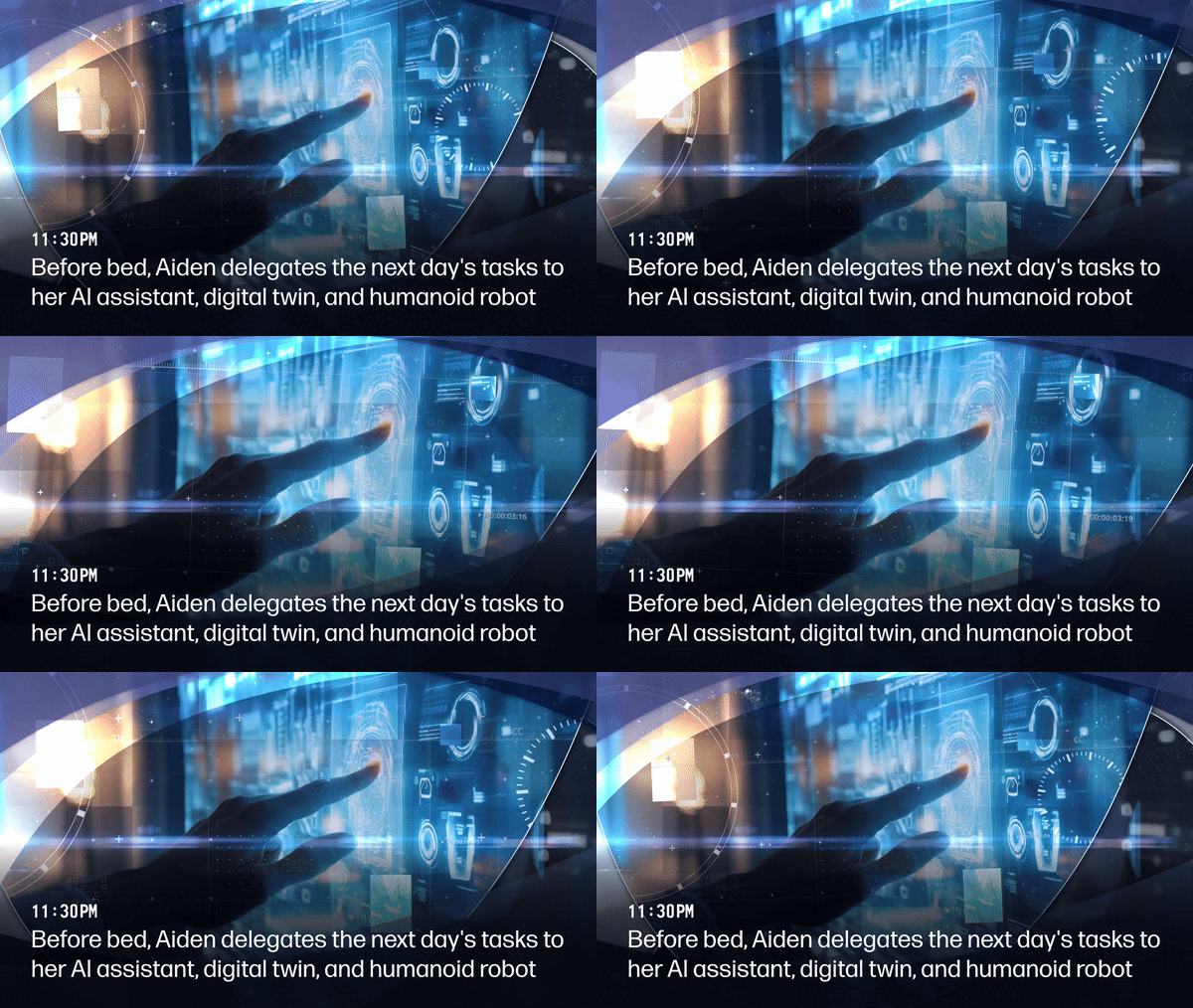
Person touching screen and selecting next day tasks for AI assistant

Before she goes to sleep, Aiden delegates the household and work tasks she would like her AI assistant, digital twin, and humanoid robot to complete tomorrow.


Generative AI promises a future where technology enhances our routines, making our lives more efficient and enjoyable. From handling mundane tasks to offering personalized experiences, AI is set to become an integral part of our daily existence, turning futuristic visions into everyday realities.
How do you envision generative AI reshaping your daily life as we move toward this future?

Blog Futurism & Technology Trends Innovation

23 Stats To Show Generative AI’s Role in Our Daily Lives

Generative AI is becoming a cornerstone of modern life, transforming various aspects of our daily routines and industries.

This powerful technology, capable of creating content, providing recommendations, and automating tasks, is poised to revolutionize how we work, learn, receive healthcare, and entertain ourselves.

As AI continues to evolve, its integration into our daily lives is becoming more seamless and impactful. A recent survey highlights this shift, with 78% of people believing that the benefits of generative AI outweigh the risks. This growing confidence in AI’s potential signifies a major shift in public perception, paving the way for broader adoption and innovative applications.

Take a look at these stats that show generative AI’s impact on our daily lives:

Workplace

  • 64% of businesses expect AI to increase productivity. Source: Forbes
  • AI will create 97 million new roles. Source: WeForum
  • 75% of knowledge workers use AI at work today. Source: Microsoft
  • 76% of professionals believe AI skills are essential for job market competitiveness. Source: Microsoft Cloud
  • 68.1% of companies reported increased use of AI tools for hiring. Source: RecruitBetter

Education

  • 54% of parents think AI could potentially have a positive effect on their child’s education. Source: National University
  • 60% of teachers use AI in their classrooms. Source: Forbes
  • AI in the education industry is expected to reach a CAGR of 40.3% between 2019-2025. Source: India AI
  • By 2030, artificial intelligence will automatically score 50% of college essays and nearly all multiple-choice examinations. Source: MMC Global
  • A majority (51%) think AI technologies will improve teacher education. Source: Quizlet
  • Approximately 56% of college students have used AI tools to complete assignments or exams. Source: Best Colleges

Healthcare

Personal Life

  • 54% of consumers think that written content will improve with AI technology. Source: Forbes
  • One in 10 cars will be self-driving by 2030. Source: Marketsandmarkets
  • 63% of consumers expect companies to use AI to personalize their experiences. Source: Master of Code Global
  • 75% of consumers are comfortable with chatbots managing routine customer service tasks. Source: AuthorityHacker
  • 51% of people consider AI helpful for finding a good work-life balance. Source: SnapLogic/Juliety
  • 69% of households in the US have at least one smart device. Source: Hippo/Juliety

Generative AI will play a pivotal role in our future, touching nearly every facet of our lives. From the workplace to education, healthcare, and personal experiences, AI is driving significant changes.

As we continue to embrace this technology, it is crucial to recognize both its potential benefits and the need for responsible implementation to ensure it serves the greater good. 

How will you integrate AI into your life to maximize its benefits?

Blog Futurism & Technology Trends Innovation

Revolutionizing daily lives: The future of AI wearables

Integrating artificial intelligence (AI) with wearable technology is poised to revolutionize our daily lives, blurring the boundaries between the human body and digital interfaces.

The AI wearable market is currently experiencing significant growth. According to Market.us, The Wearable AI Market is estimated to reach USD 304.8 billion by 2033, with a robust CAGR of 25.6% over the forecast period 2024-2033.

As we experience this explosive growth, let’s delve into the possibilities and implications of this technological evolution.

The evolution of wearables

Wearable technology started with basic fitness trackers and quickly moved to sophisticated smartwatches that monitor many health metrics. In 1977, Hewlett Packard released the HP-01 watch, which is considered the first instance of a mass-market wearable.

At the time, the ground-breaking, 28-key interface provided an alarm, data types, a timer/stopwatch, dynamic calculations, and more.

Over the next couple of decades, into the early 2000s, the miniaturization of electronics began. We saw devices that produced music transform from Walkmans to CD players to MP3 players.

This change brought about portability, making it easier to carry electronics around and ushering in a new era of wearables. During this time, cameras were also reduced tremendously in size from their origins, allowing them to be worn like GoPros, and recording was embedded into sunglasses, such as Snapchat’s Spectacles.


The next leap was embedding AI into these devices, enabling them to learn from our behaviors, predict our needs, and even intervene in real time to enhance our well-being.

Advancing health and wellness

As AI-powered wearable devices become more than passive trackers, they become proactive health advisors, continuously analyzing biometric data to provide personalized health insights. AI and wearable data can yield up to a 23.8% improvement in health prediction performance.

Research from MIT and Google shows that large language models (LLMs) can be trained on wearable sensor data based on contextual information, such as user demographics and health knowledge, and physiological data, including resting heart rate and sleep minutes, to deliver personalized, multi-modal health predictions.

AI-enabled wearables can then use this data to predict potential health issues before they manifest, recommend lifestyle changes, and even alert medical professionals in case of emergencies.

Oura has also made waves in the health and wellness space. The company’s ring translates our body’s most meaningful messages from 20 biometrics, including sleep, activity, stress, and heart health.

Enhanced cognitive abilities

AI wearables also have the potential to augment our cognitive functions. Devices can assist us with memory enhancement, language translation, and real-time information retrieval. Imagine wearing a sleek, discreet device that provides you with the names and details of people you meet at a conference or instantly translates foreign languages as you travel, breaking down communication barriers and fostering global connectivity.

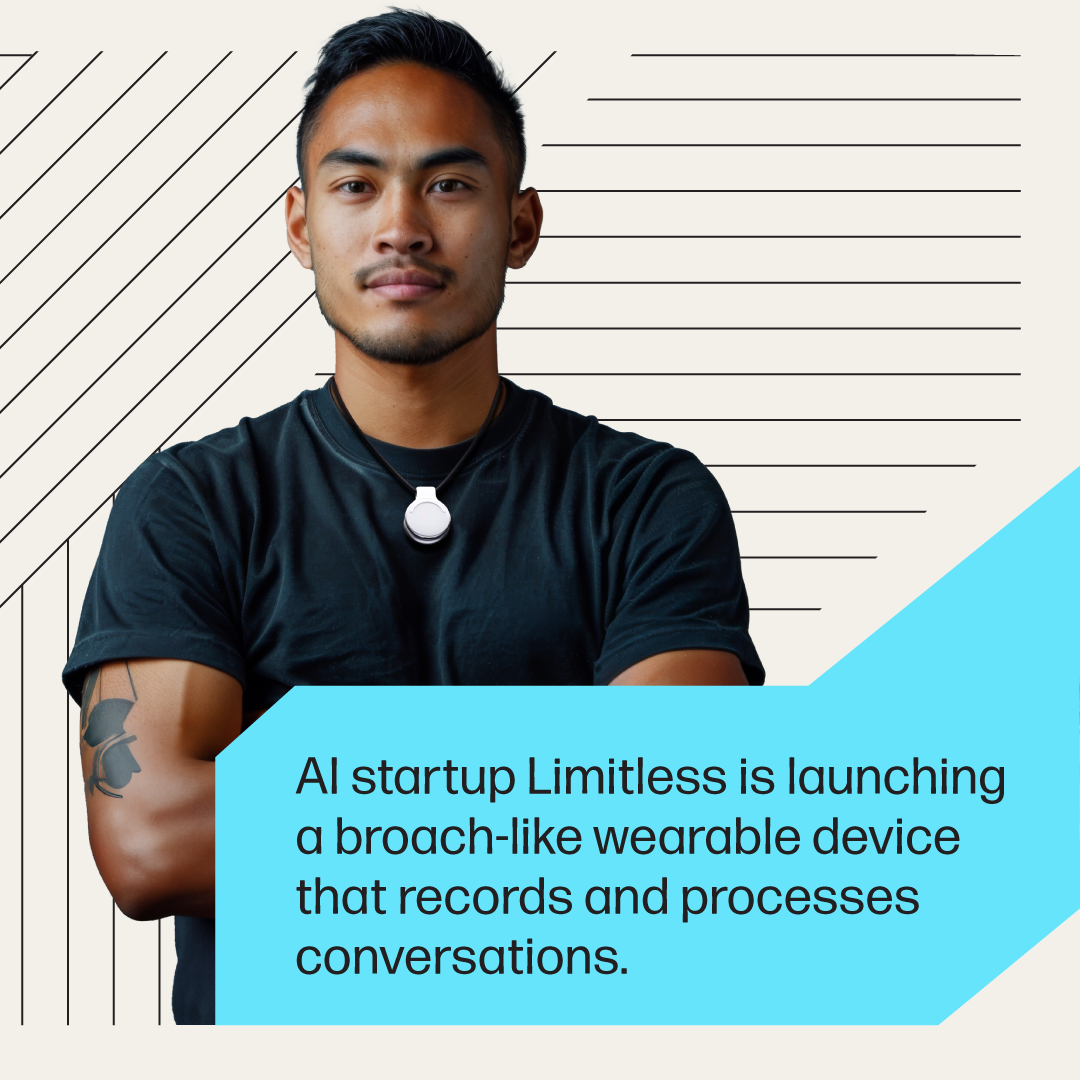
AI startup Limitless will soon be launching a broach-like wearable device that records and processes conversations. The small device clips onto a shirt collar and sends recordings to a secure, encrypted, and AI-enabled cloud service, allowing you to remember and recall the conversations you’ve had and the people you’ve had them with.

This could also be helpful for a day when you are in back-to-back meetings or unable to take notes. The device can help you track action items and better connect with the person in front of you.

As AI advances, it won’t be long before we can wear a device that can record and summarize your conversations, create a to-do list, and automatically schedule a follow-up meeting with key stakeholders.

Seamless human-technology interaction

The future of AI wearables’ success lies in their ability to integrate seamlessly into our daily routines. Voice-activated assistants, gesture recognition, and even brain-computer interfaces will make interacting with technology as natural as breathing.

AI wearables could become an extension of our senses, intuitively understanding and responding to our needs.

Ethical and privacy considerations

With this great power comes great responsibility. The widespread adoption of AI wearables raises ethical and privacy concerns. As devices collect vast amounts of personal data, robust security measures to protect user privacy are necessary. Transparent data usage policies and stringent regulations will be crucial to ensure that the benefits of AI wearables do not come at the cost of our personal freedoms.

The future workplace

AI wearables will transform how we work. For example, AI-enabled wearables could monitor your stress levels and suggest short breaks or mindfulness exercises to maintain optimal performance.

Social and cultural impacts

The integration of AI wearables into everyday life will have profound social and cultural impacts. These devices will redefine how we connect with each other, potentially reducing the digital divide and fostering inclusivity. However, if access to advanced wearables becomes a privilege of the few, it may also exacerbate existing inequalities. Addressing these disparities will be essential to ensure that the benefits of AI wearables are equitably distributed.

Embracing the future

As we stand on the brink of this transformative wave in AI wearables, we must approach it with a balanced perspective, embracing the potential benefits while remaining vigilant about the ethical and societal challenges.

The future of AI wearables is about technological advancement and enhancing the human experience, empowering us to live healthier, more connected, and ultimately more fulfilling lives.

Envision a world where AI wearables are not merely gadgets but integral components of our daily existence, seamlessly woven into the fabric of our lives. The journey ahead is filled with promise, and it is up to all of us to navigate it wisely.

Blog Futurism & Technology Trends

The rise of social and home robots: Transforming our lives with AI advancements

From the early days of bulky, room-sized computers to today’s sleek, powerful smartphones, technology has continuously become more integrated into our daily lives. The rise of AI has further accelerated this transformation, enabling innovations such as voice-activated virtual assistants, smart home devices, and autonomous vehicles. Amidst these technological strides, social and home robots have emerged, bringing a new dimension to how we interact with machines in our personal spaces.

Social robots are designed to engage with humans socially, often serving as companions, educators, or caregivers. These robots can recognize and respond to emotions, hold conversations, and even provide companionship to older people or those living alone. 

On the other hand, home robots are primarily designed to perform household tasks, making our lives more convenient and efficient. These robots can assist with cleaning, security, and even personal care.

As technology continues to advance, the capabilities of social and home robots will only expand, further integrating into our lives and transforming the way we live, work, play, and interact with our surroundings.

Robots in our lives

Social and home robots are emerging as valuable tools in modern society. They can play a crucial role in enhancing emotional well-being by providing companionship and reducing loneliness, particularly among older people and those living alone.

Social robots also offer practical benefits by assisting with household chores, allowing individuals more time for meaningful activities. They also support learning in educational settings by providing personalized assistance and engaging students in interactive ways.

As we integrate robots like these into our daily lives, it is crucial to understand the complexities of this technology. Ensuring that robots enhance rather than detract from our lives requires careful consideration of ethical and practical implications. Privacy concerns, the potential for over-reliance, and the need for human oversight are essential factors to address. By thoughtfully incorporating robots into our homes and social environments, we can leverage their benefits while mitigating potential drawbacks, ultimately enriching our lives meaningfully.

It can be your AI companion. As I mentioned, one of the most notable benefits of social robots is their ability to combat loneliness, especially among older people and individuals living alone. An example is Intuition Robotics. The company aims to empower older adults to live happier, healthier, and independent lives at home with an empathetic digital companion.

A study by the University of Glasgow, published in the International Journal of Social Robotics, highlighted another social robot, Pepper’s, potential to combat loneliness. Participants interacted with Pepper via Zoom over five weeks, and results showed that people disclosed more about themselves over time and felt less lonely. This interaction also improved their mood, indicating the robot’s potential as an emotional support tool. These robots can engage in conversations, provide reminders, and even offer entertainment, creating a sense of presence and interaction.

How about a robotic tutor? Researchers recently conducted an experiment involving 26 university students whose native language was Japanese. The students underwent a pre-test to assess their English-speaking skills. Based on their average scores, the students were divided into two groups: 14 students received instruction from a robot, while the remaining 12 participants received online lessons from English language teachers.

The results indicated that the group taught by the robot made fewer errors and spoke more fluently than the group taught by human tutors.

Who doesn’t want a house-cleaning “humanoid”? In addition to emotional and educational support, home robots can significantly reduce the time and effort spent on household tasks. Take Eve, for example. It is a humanoid robot that can perform a range of tasks. Equipped with cameras and sensors to perceive and interact with their surroundings, their mobility, dexterity, and balance allow them to navigate complex environments and manipulate objects effectively. This capability is particularly beneficial for busy families and individuals with physical limitations.

The future with robots

Social and home robots promise to transform our homes and enhance our daily lives in profound ways in the future. These robots can perform mundane tasks, creating more leisure time for us to spend on activities that matter most, such as pursuing hobbies, spending time with loved ones, and engaging in meaningful experiences.

According to Dr. Guy Laban, an Affiliated Research Associate at the University of Glasgow and a Postdoctoral Research Associate at the University of Cambridge, these robots can also become valuable conversational partners, crucial in interventions that support emotional health. His research highlights how robots can provide meaning and a safe space for those in need, lifting people’s moods even during challenging times like the pandemic.

The potential for robots to positively enhance our emotional and physical well-being is immense. Recent advances in AI, such as generative AI and large language models, are rapidly expanding the possibilities.

Roboticists often cite Moravec’s paradox: What is hard for humans is easy for machines, and what is easy for humans is hard for machines. AI is changing that.

One idea is to use the generative AI behind ChatGPT and similar tools to complete faster training and develop more skills for robots. Efforts include ways to program robots with plain written English rather than complex code and using AI systems to have robots learn by observing.

Specialized computer chips for robots will help, too. Nvidia recently unveiled a new chip and AI software for humanoid robots. AMD, Intel, Google, and Qualcomm also designed systems for robots.

AI capabilities will also enable robots to learn, reason, and make decisions based on complex data sets. This will allow robots to perform more complex tasks and adapt to changing environments, making them more versatile and useful.

Sensory abilities such as sight, touch, and hearing will enable robots to navigate their environment more effectively, interact with humans more intuitively, and perform more complex tasks that require precise sensory input.

Ultimately, the goal is not to eliminate human-to-human interaction but to create more space for it. Ethics must be at the forefront as we integrate these technologies into our homes. Understanding how humans establish healthy and constructive relationships with robots is critical to ensuring their ethical and responsible deployment. This careful consideration will help us harness the benefits of social and home robots while safeguarding our values and well-being.

Blog Futurism & Technology Trends Innovation

How Generations Z and Alpha are shaping the future of AI

As artificial intelligence (AI) becomes more and more engrained into our daily lives, we see Generation Z and Generation Alpha pioneering the use and development of this technological frontier. Their interaction with AI is redefining its applications and creating a future that we are only just starting to imagine.

Let’s delve into how these generations use AI today and what we can expect from them in the future.

Today’s AI Playground: From virtual clones to classroom helpers

Imagine having a virtual twin — a clone that knows you so well that it can answer and initiate questions on your behalf. For 1 million Gen Alpha users, this isn’t sci-fi: it’s reality, courtesy of Sendit. More than 1,000,000 Gen Alphas have already cloned themselves using Sendit’s AI tool. The app can share your story, even when you are not there, help friends pick out a present for you, or recommend a cool new restaurant to cousins.

But AI is not all fun and games. It is also transforming the way learning is delivered and received. Every month, Amazon’s Alexa fields 25 million questions from inquisitive children, showing that the thirst for knowledge is now quenched through voice-activated AI. 

ChatGPT is also proving to be a useful tool for both educators and students. A recent survey by Impact Research found that 51% of teachers reported using ChatGPT and a third of students.

AI in the classroom is just the beginning. As 2024 graduates step into the real world, a staggering 50% plan to acquire new skills, fully aware that tools like ChatGPT and DALL-E will be part of their future careers.

Salesforce found that 65% of today’s generative AI users are Millennials or Gen Z, and a formidable 72% of this cohort is gainfully employed, signifying the seamless integration of AI in the working world.

Moreover, nearly half of Gen Z prefer AI over their managers for advice, according to Workplace Intelligence. It’s clear that trust in AI’s capabilities is burgeoning.

Gen Z and Gen Alpha’s imprint on the next wave of AI technologies

With Gen Z being considered digital natives and Gen Alpha taking the crown as AI natives, it’s no wonder they are profoundly impacting where AI technology is heading.

Take Elemental Path’s CogniToy’s Dino, designed for young Gen Alphas, which uses IBM’s Watson to answer children’s questions and converse with them.

LEGO’s Boost Sets combine classic play with coding, demonstrating how introducing technology through fun and popular building blocks can teach kids about coding and AI. But Brian Schwab, director of interactive design at the LEGO Group sees this as only the beginning. In an interview with Toolify.Ai, Schwab shared that LEGO is incorporating AI to enhance the creative and interactive aspects of their iconic building bricks, allowing children to tell their own stories and explore their creativity in new ways.

Language learning has found a new ally in AI. The Duolingo Max application uses ChatGPT-4 to provide feedback and highly tailored lessons, much like a virtual tutor. Thus, creating more personalized learning experiences.

Personalization hits a high note as Spotify’s AI DJ presents music tailored to Gen Z and Gen Alpha tastes — be it fresh hits or old favorites. Spotify editors use GenAI to offer up facts about the music, artists, or genres being listened to. Through their acquisition of Sonantic they are also able to create AI DJs.

Gen Z doesn’t just see personalization for music; they would like to see AI bring personalization to all factors of their lives, including shopping. 88% of Gen Z consumers believe AI will improve online shopping. More than half of them hope for an AI shopping assistant to make it easier to find products based on their personal interests.

How those online products are delivered is also paramount to both Gen Z and Gen Alpha, who put sustainability and social awareness at the top of their interest list. This is helping to fuel new AI innovations. Amazon’s Package Decision Engine uses a multimodal AI model to determine the most efficient packaging for each item sold on its website. Meanwhile, DHL’s AI-powered OptiCarton software plays a game of Tetris with shipping containers, ensuring each container is filled with parcels, leaving no empty spaces.

Gen Z and Gen Alpha’s comfort level with AI and world views will shape what AI-powered apps they will use directly and how AI will be used to enhance the world around them. Their interaction with AI across learning, play, work, and lifestyle is a precursor to a society where AI is not just a tool but a collaborator, co-creator, and confidant.

Blog Futurism & Technology Trends Innovation