Generative AI is becoming embedded in our everyday lives and transforming how we approach daily tasks and activities. With AI seamlessly integrated into our routines, we can experience efficiency and personalization that was once the realm of science fiction.
Remember Aiden, a 26-year-old living in San Francisco, who weaves AI into her daily life to optimize her productivity and enhance her experiences? She’s not the only one leveraging generative AI to create a more streamlined daily life.
Meet Dylan, a 40-year-old corporate executive who expertly uses AI to be more productive, achieve his fitness goals, and maximize his free time.
Morning Start
Dylan enjoys an AI-generated replay of a vivid dream he had, complete with visual and narrative details, providing creative inspiration and insights as he starts his day.
A customized AI-generated news briefing, with curated headlines and stories based on his preferences and current interests sets a focused tone for Dylan’s day.
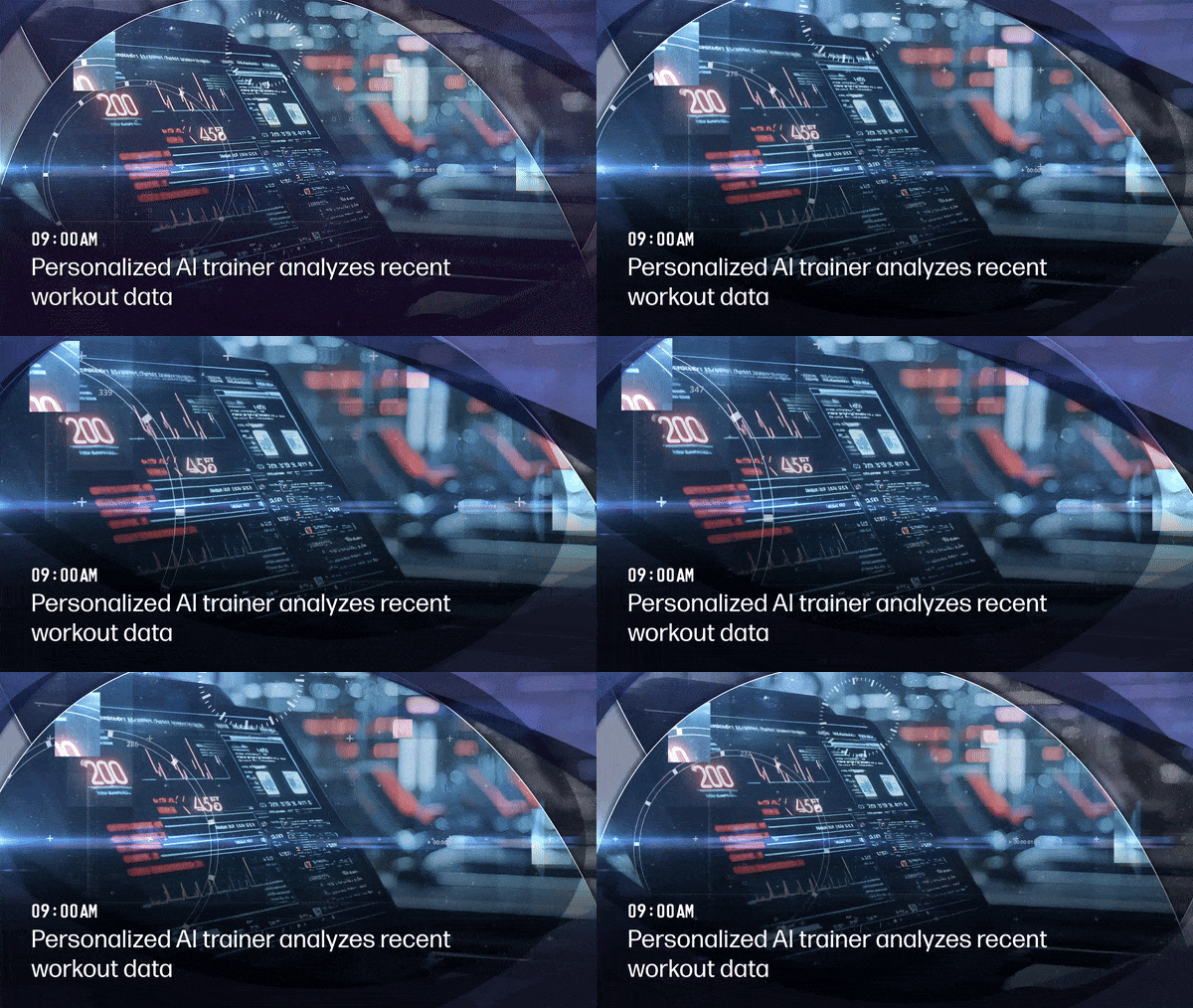
After the news briefing, Dylan’s personalized AI trainer analyzes his recent workout data and suggests a customized exercise routine, including specific cardio and strength training exercises to help him meet his fitness goals.
Efficient Afternoon
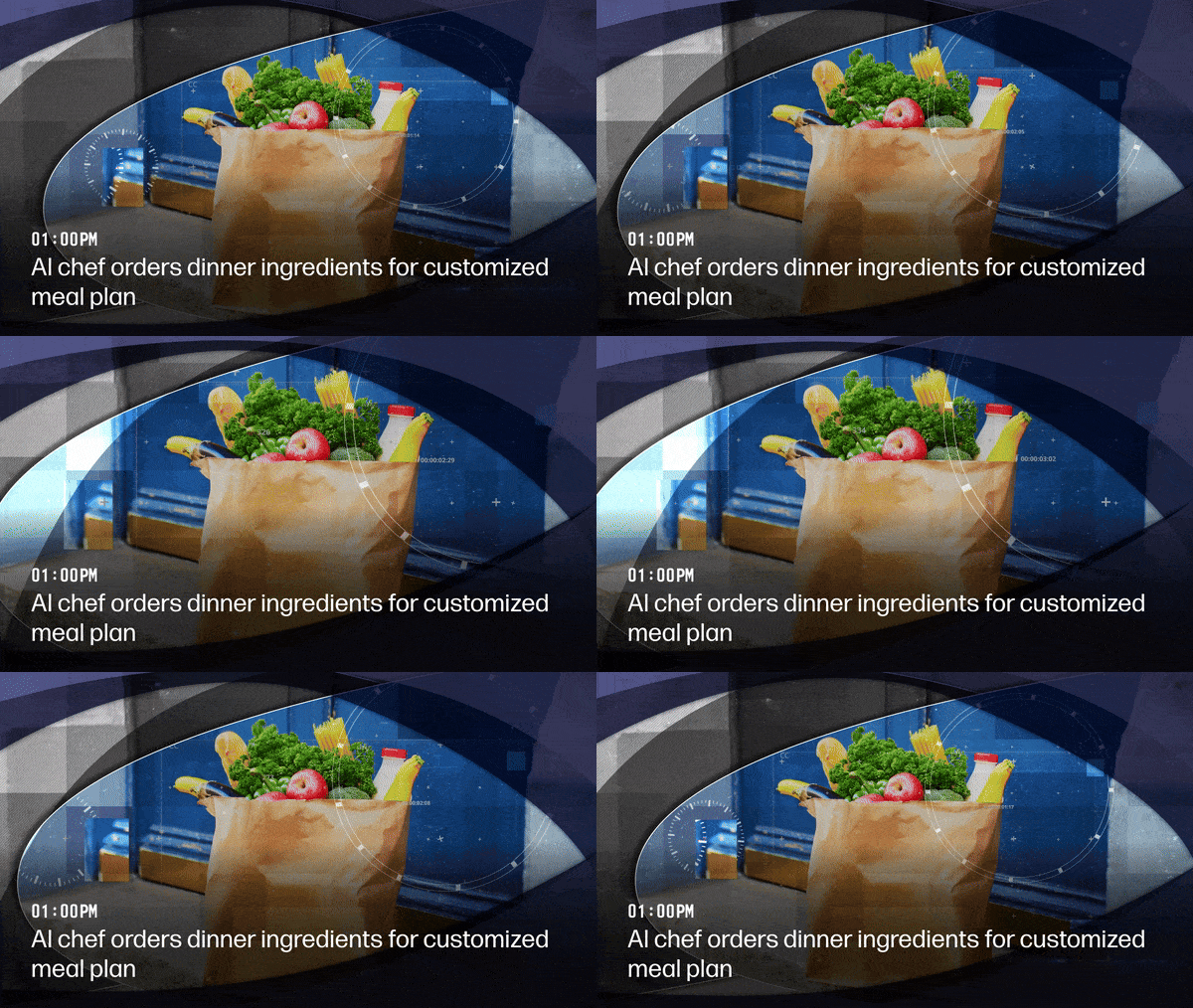
Dylan’s AI Chef orders culinary ingredients according to his AI customized meal plan and schedules delivery, ensuring he has fresh produce and essentials for later, delivered by an AI robot personal shopper.
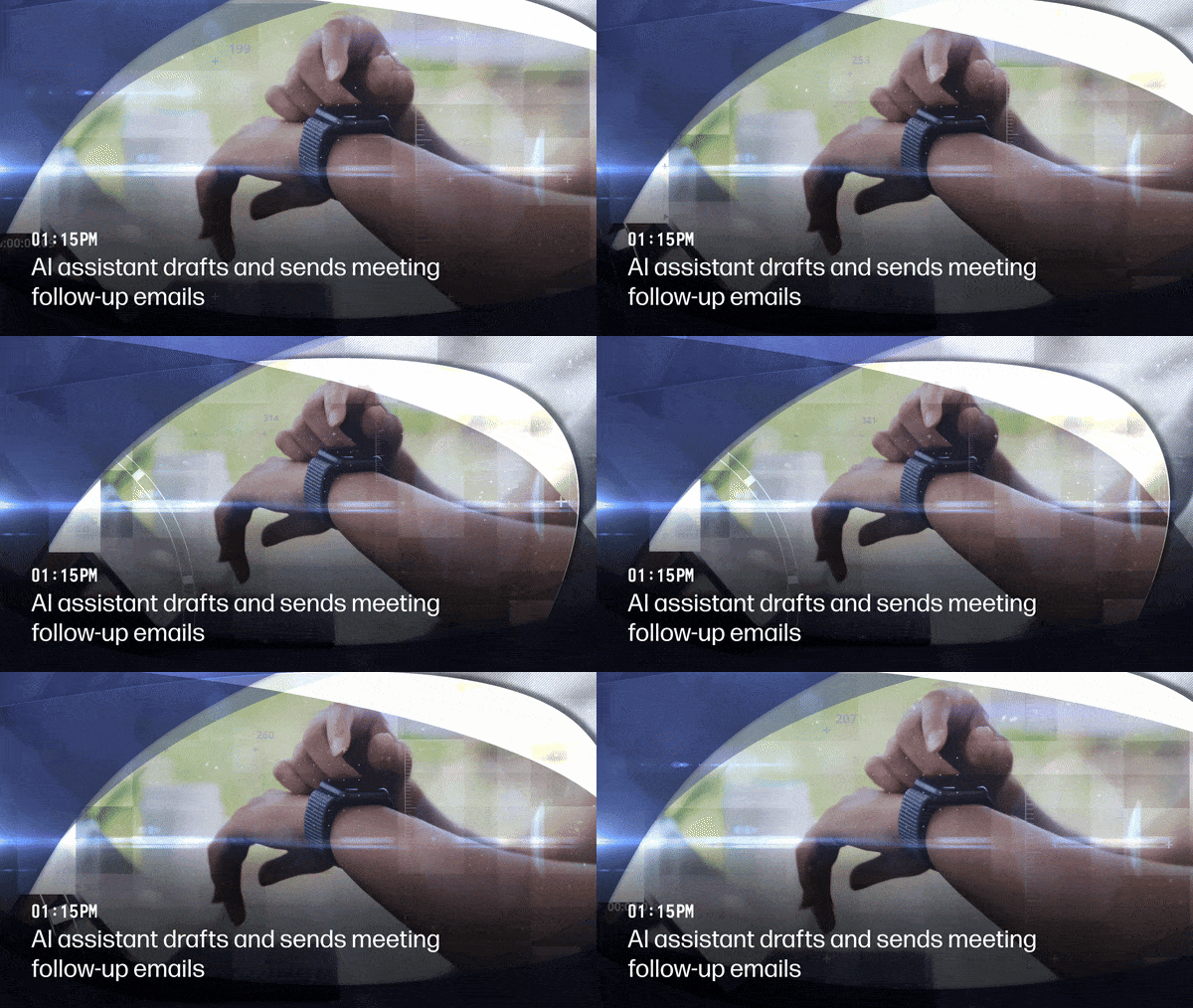
While in a meeting, Dylan asks his AI assistant to draft and send follow-up emails, including a proposal for a new project. This allows him to focus on strategic planning while the AI handles the communications.
Engaging Interactions
During a staff meeting, an AI-powered digital twin of Madam C.J. Walker joins Dylan’s team for a Q&A session. Walker shares insights into her entrepreneurship, philanthropy, and social activism approaches.
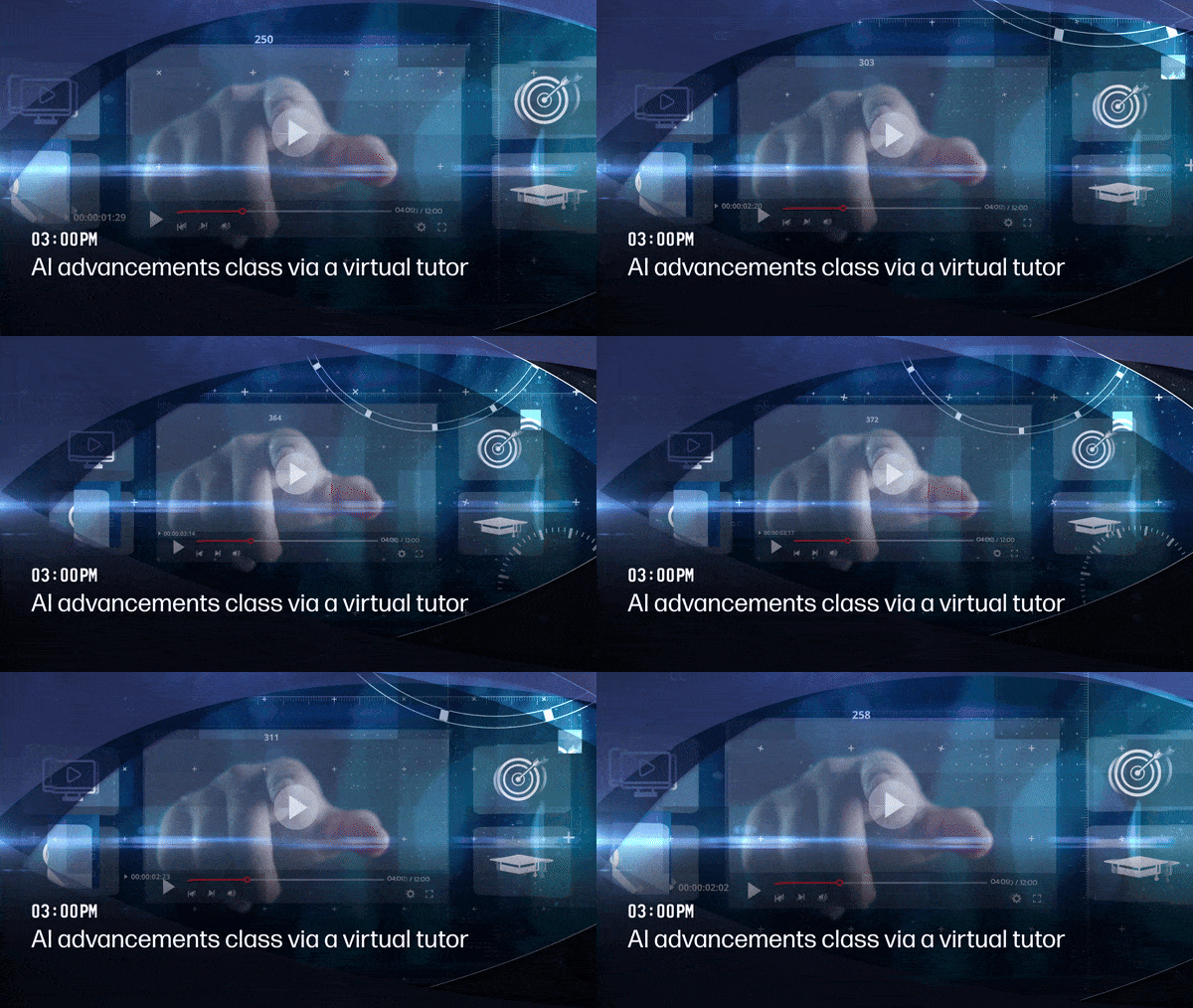
Dylan takes a break to learn about AI advancements via a virtual tutor, exploring topics like machine learning algorithms and their practical applications in his industry.
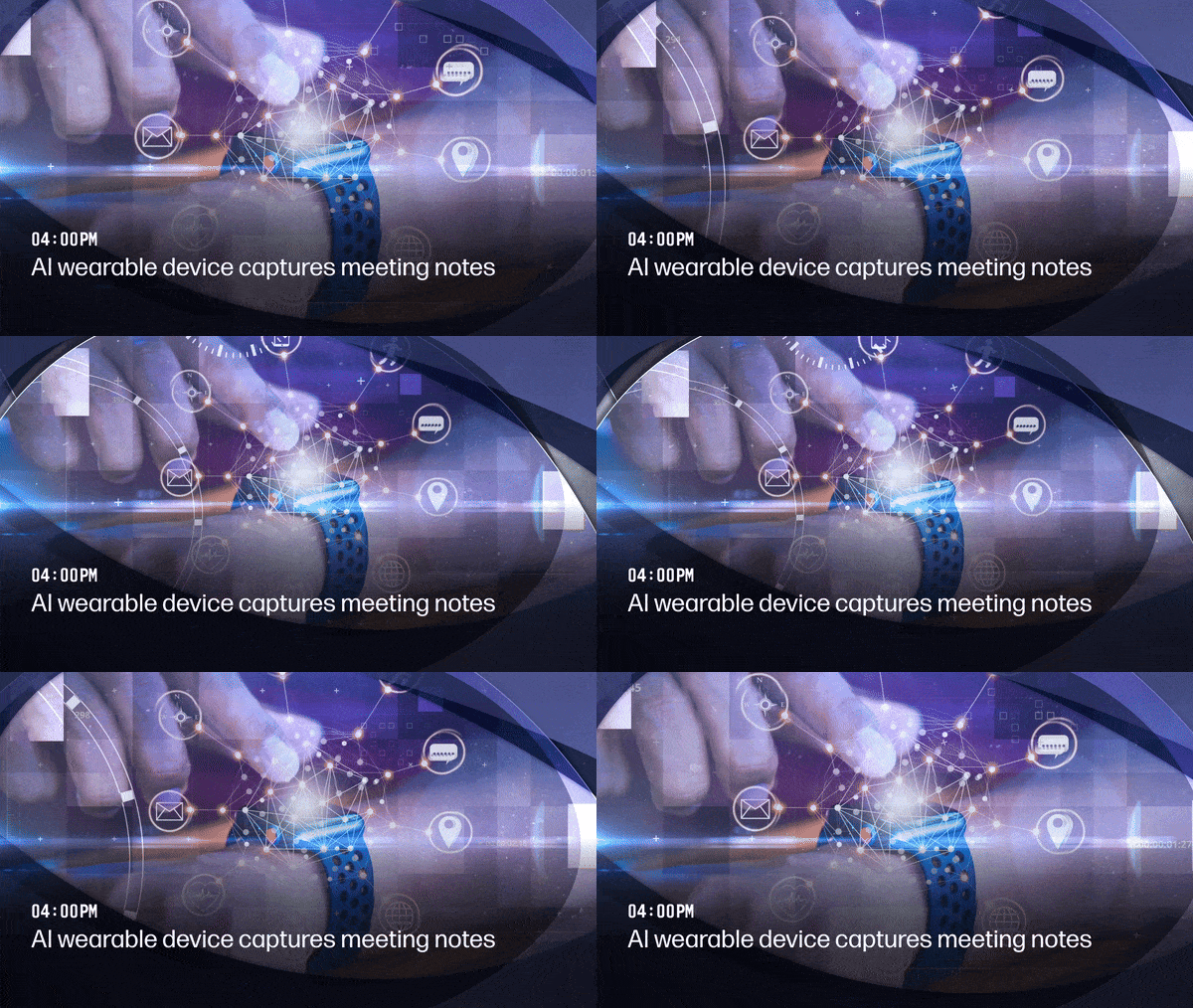
His AIwearable device discreetly reminds him of key contacts he met earlier, captures important meeting notes, and follows up on promised actions.
Evening Relaxation
As he winds down from work, Dylan’s robot sous-chef prepares a gourmet dinner, following a recipe from his meal plan, while he relaxes and catches up on personal projects.
Dylan ends his day watching a movie tailored to his tastes and current mood, with AI creating a personalized viewing experience with a custom storyline.
Generative AI can transform how to manage tasks, access information, and enjoy leisure time. It’s not just about efficiency; it’s about creating a more personalized and enjoyable experience.
How do you envision generative AI transforming your routine and bringing more ease and excitement into your daily life?
Technology is seamlessly integrated into our daily routines, and generative AI will revolutionize how we live and work. Let’s imagine a day in the not-too-distant future where generative AI doesn’t just serve as an assistant but as an active participant in every aspect of your life.
Meet Aiden. As a 26-year-old living in San Francisco, Aiden spends her time working at a healthcare startup, socializing with friends, and focusing on hobbies like fitness and reading. Here’s a peek into what a typical day for her might look like with generative AI:
Morning Routine
Aiden likes to exercise before she starts her day. Her AI trainer sends her a customized workoutplan each morning and adjusts her exercise plan based on her current fitness goals.
After she finishes her workout, Aiden is ready to start her workday. A morning meeting pops up that could have been handled as an email. Aiden sends her digitalassistant to attend the online meeting on her behalf.
Aiden’s digital twin participates by handling routine discussions and updates. As soon as the meeting is complete, her digital twin sends Aiden the meeting notes, key takeaways, and action items.
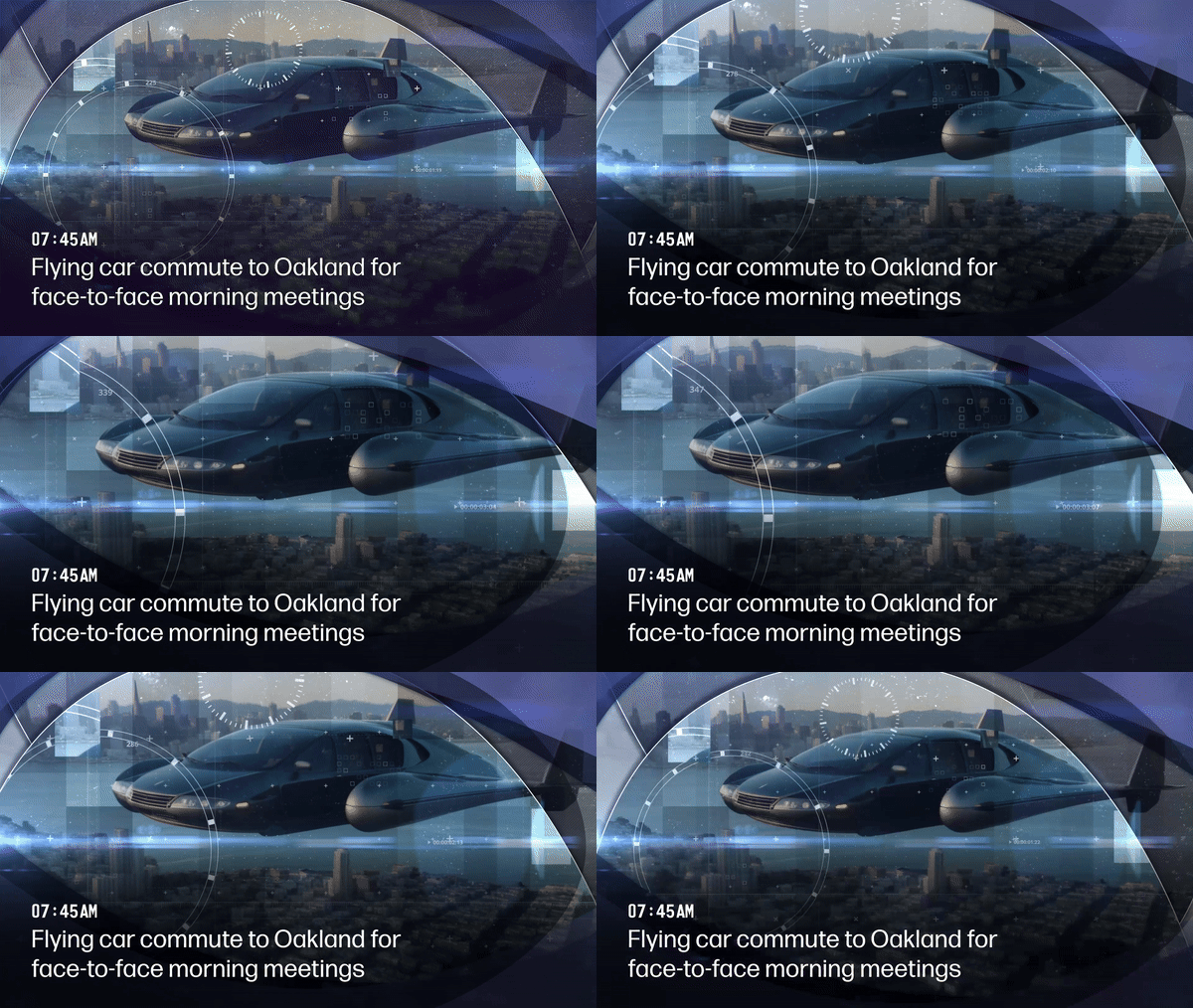
While her digital twin is in the meeting, Aiden takes a flying car to a face-to-face meeting in Oakland with her boss. With this commute, she cuts down on travel time and avoids traffic on the ground.
Aiden attends her face-to-face meeting in Oakland, while a humanoid robot manages her household chores back at her apartment – feeding her dog, cleaning her kitchen, folding her laundry, and preparing her lunch. By offloading mundane tasks, Aiden can focus on more high-level tasks, such as in-person meetings and sharing her latest strategy ideas.
Health, Wellbeing, and Lunch
Aiden continues to work while wearing her AI wearable. Her AI doctor monitors her health statistics and raises a couple of irregularities to Aiden’s human doctor, who is based in Sacramento. When she receives the information, her human doctor sends a report to Aiden with key takeaways, updated prescriptions, and health information.
The meeting concluded in Oakland, and Aiden got a promotion! She’s thrilled and heads back to the City for lunch. On her way home, she sends a request to her AI Assistant to invite her friends for happy hour at her apartment to celebrate her promotion.
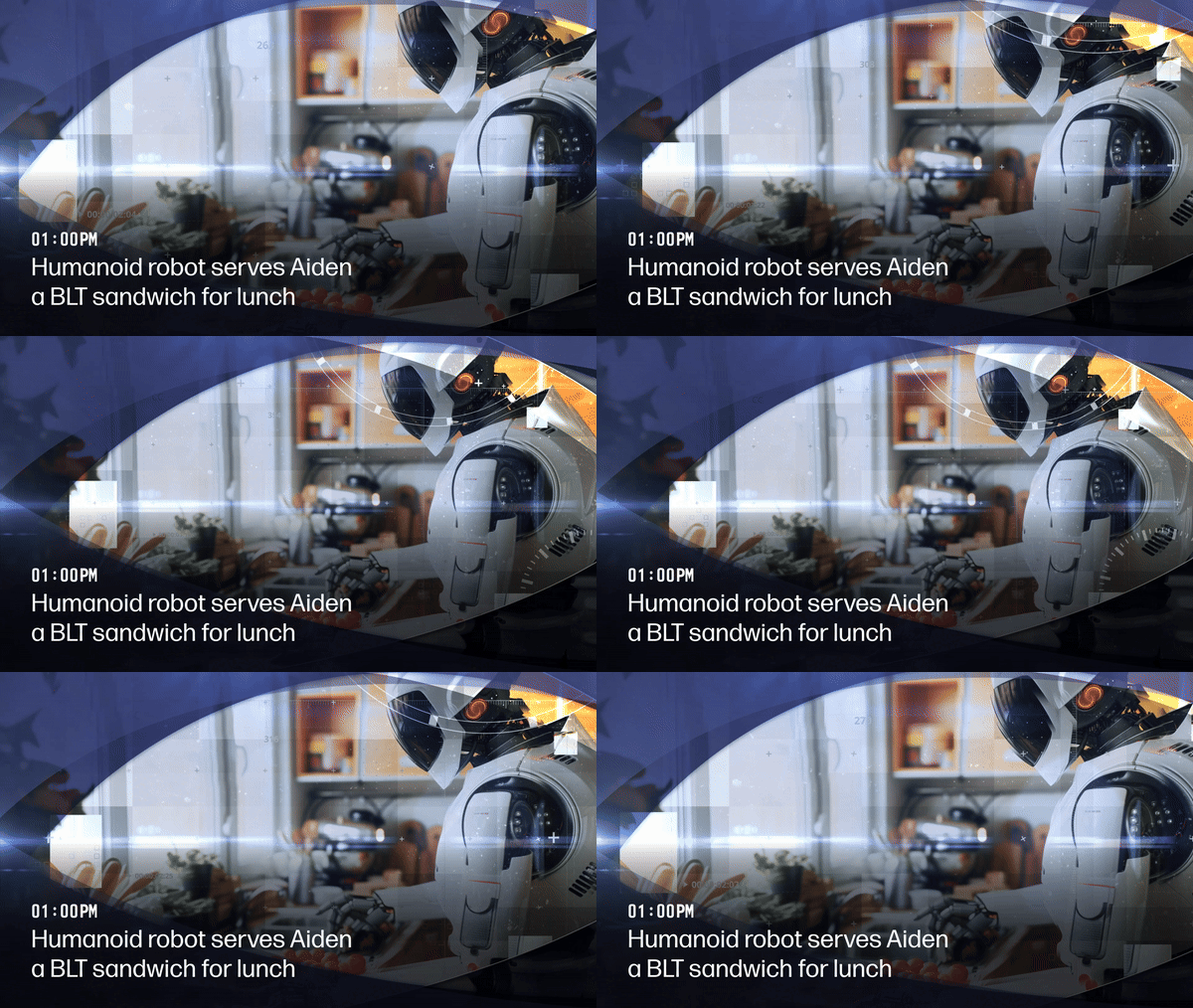
Once Aiden returns to her apartment, she enjoys the BLT her humanoid robot prepared for lunch while she answers work messages.
Happy Hour
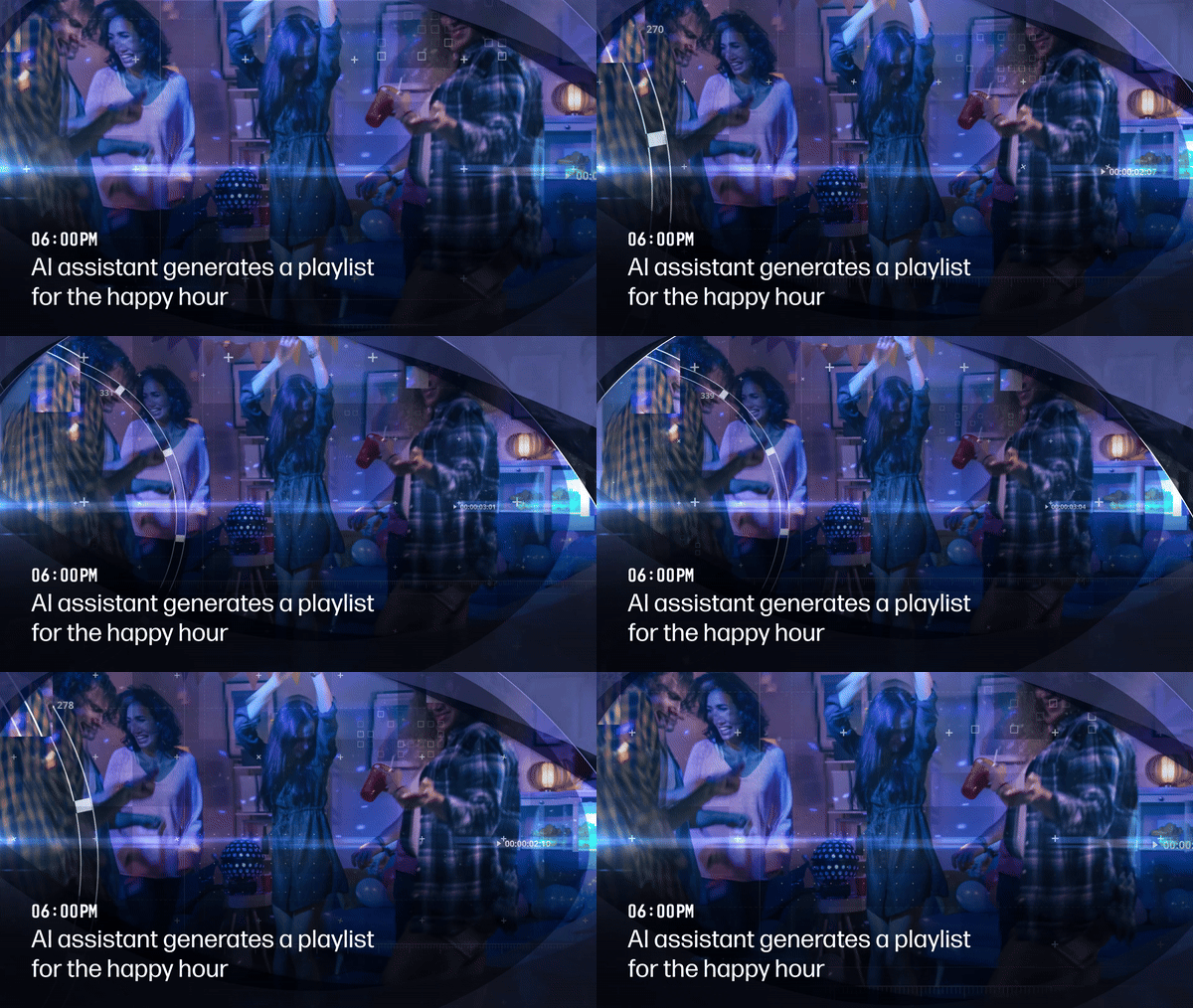
As Aiden’s friends arrive to celebrate her promotion, her AI generates a celebratory playlist for the happy hour.
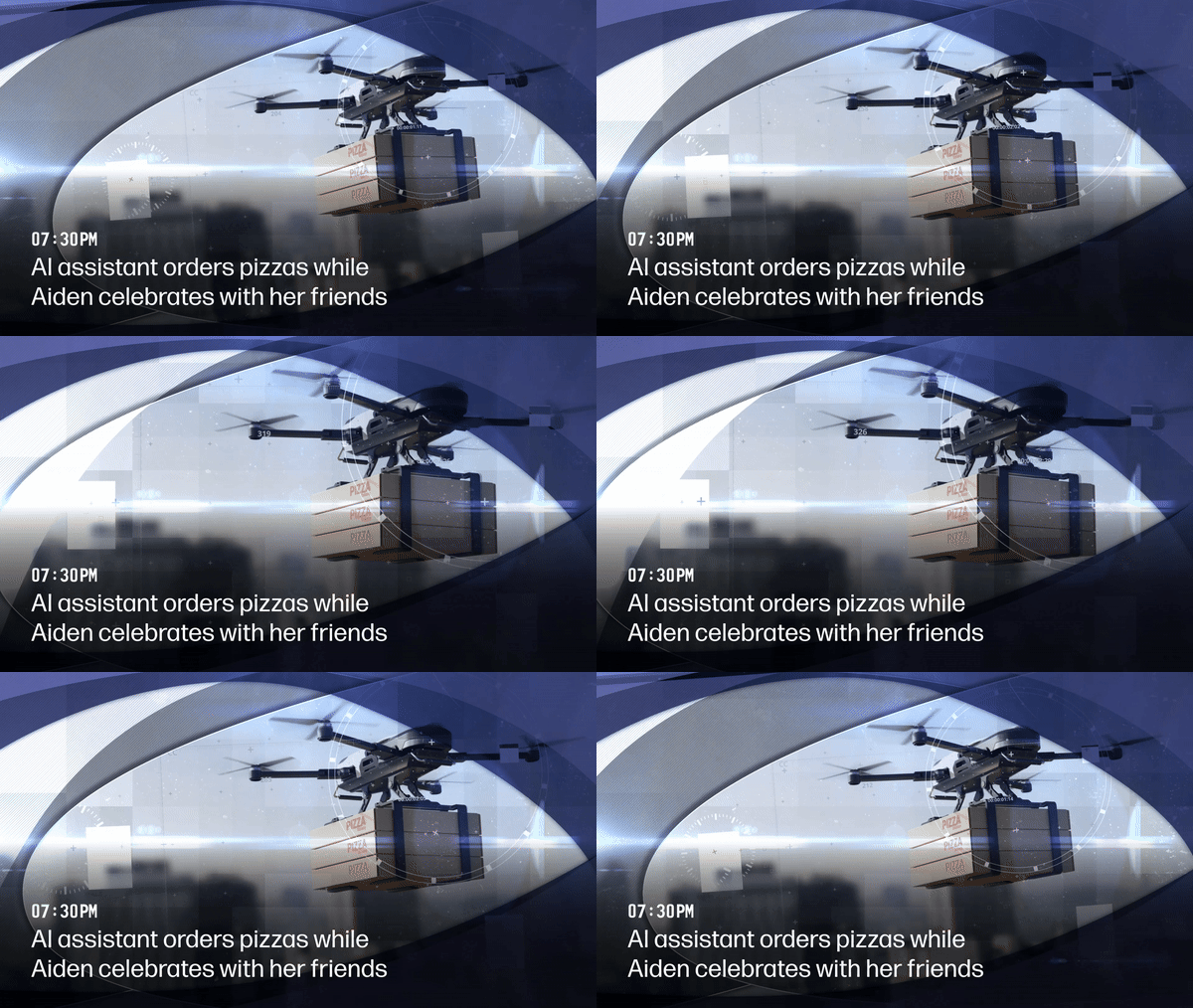
Aiden’s friends toast her accomplishment, and in the background, her AI assistant places an order for pizza delivery which her humanoid robot receives and brings inside. Enjoy!
Evening Routine
Aiden’s friends head home, and her AI assistant adapts the lighting and sound to her relaxation needs, offering her a comfortable and personalized environment to unwind. She settles into the couch to watch a series curated specifically for her previous viewing preferences.
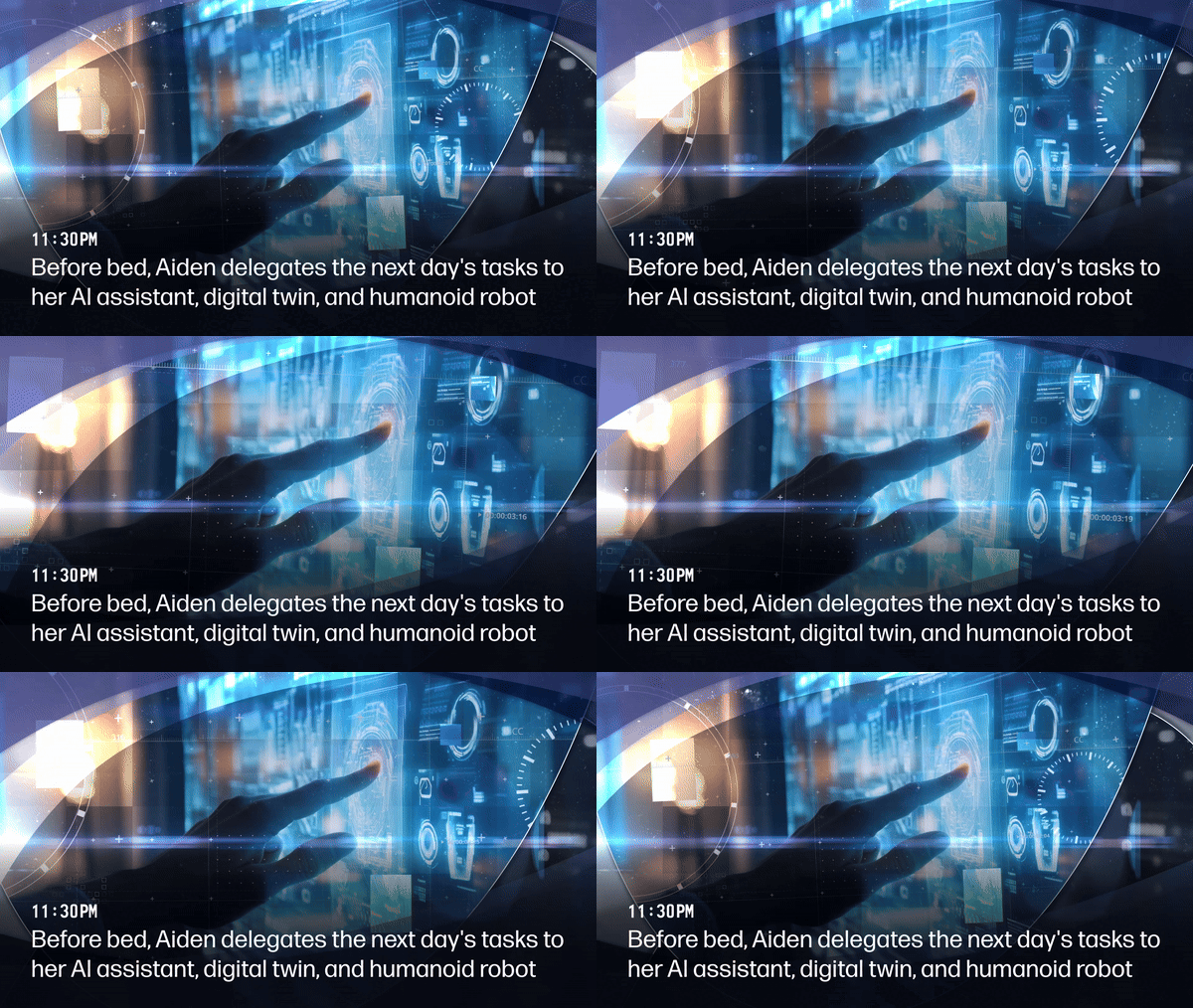
Before she goes to sleep, Aiden delegates the household and work tasks she would like her AI assistant, digital twin, and humanoid robot to complete tomorrow.
Generative AI promises a future where technology enhances our routines, making our lives more efficient and enjoyable. From handling mundane tasks to offering personalized experiences, AI is set to become an integral part of our daily existence, turning futuristic visions into everyday realities.
How do you envision generative AI reshaping your daily life as we move toward this future?
Integrating artificial intelligence (AI) with wearable technology is poised to revolutionize our daily lives, blurring the boundaries between the human body and digital interfaces.
The AI wearable market is currently experiencing significant growth. According toMarket.us, The Wearable AI Market is estimated to reach USD 304.8 billion by 2033, with a robust CAGR of 25.6% over the forecast period 2024-2033.
As we experience this explosive growth, let’s delve into the possibilities and implications of this technological evolution.
The evolution of wearables
Wearable technology started with basic fitness trackers and quickly moved to sophisticated smartwatches that monitor many health metrics. In 1977, Hewlett Packard released the HP-01 watch, which is considered the first instance of a mass-market wearable.
At the time, the ground-breaking, 28-key interface provided an alarm, data types, a timer/stopwatch, dynamic calculations, and more.
Over the next couple of decades, into the early 2000s, the miniaturization of electronics began. We saw devices that produced music transform from Walkmans to CD players to MP3 players.
This change brought about portability, making it easier to carry electronics around and ushering in a new era of wearables. During this time, cameras were also reduced tremendously in size from their origins, allowing them to be worn like GoPros, and recording was embedded into sunglasses, such as Snapchat’s Spectacles.
The next leap was embedding AI into these devices, enabling them to learn from our behaviors, predict our needs, and even intervene in real time to enhance our well-being.
Advancing health and wellness
As AI-powered wearable devices become more than passive trackers, they become proactive health advisors, continuously analyzing biometric data to provide personalized health insights. AI and wearable data can yield up to a 23.8% improvement in health prediction performance.
Research from MIT and Google shows that large language models (LLMs) can be trained on wearable sensor data based on contextual information, such as user demographics and health knowledge, and physiological data, including resting heart rate and sleep minutes, to deliver personalized, multi-modal health predictions.
AI-enabled wearables can then use this data to predict potential health issues before they manifest, recommend lifestyle changes, and even alert medical professionals in case of emergencies.
Oura has also made waves in the health and wellness space. The company’s ring translates our body’s most meaningful messages from 20 biometrics, including sleep, activity, stress, and heart health.
Enhanced cognitive abilities
AI wearables also have the potential to augment our cognitive functions. Devices can assist us with memory enhancement, language translation, and real-time information retrieval. Imagine wearing a sleek, discreet device that provides you with the names and details of people you meet at a conference or instantly translates foreign languages as you travel, breaking down communication barriers and fostering global connectivity.
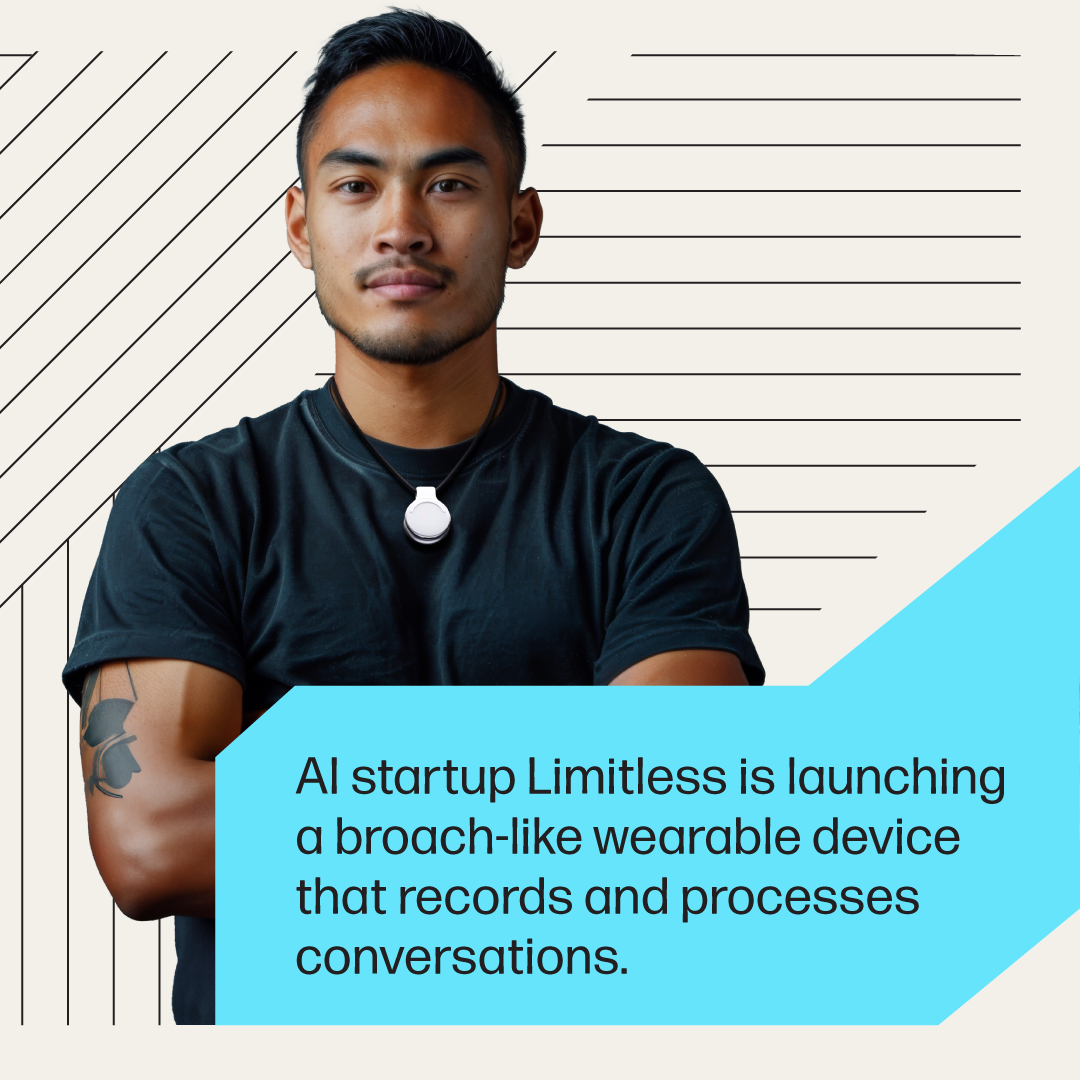
AI startup Limitlesswill soon be launching a broach-like wearable device that records and processes conversations. The small device clips onto a shirt collar and sends recordings to a secure, encrypted, and AI-enabled cloud service, allowing you to remember and recall the conversations you’ve had and the people you’ve had them with.
This could also be helpful for a day when you are in back-to-back meetings or unable to take notes. The device can help you track action items and better connect with the person in front of you.
As AI advances, it won’t be long before we can wear a device that can record and summarize your conversations, create a to-do list, and automatically schedule a follow-up meeting with key stakeholders.
Seamless human-technology interaction
The future of AI wearables’ success lies in their ability to integrate seamlessly into our daily routines. Voice-activated assistants, gesture recognition, and even brain-computer interfaces will make interacting with technology as natural as breathing.
AI wearables could become an extension of our senses, intuitively understanding and responding to our needs.
Ethical and privacy considerations
With this great power comes great responsibility. The widespread adoption of AI wearables raises ethical and privacy concerns. As devices collect vast amounts of personal data, robust security measures to protect user privacy are necessary. Transparent data usage policies and stringent regulations will be crucial to ensure that the benefits of AI wearables do not come at the cost of our personal freedoms.
The future workplace
AI wearables will transform how we work. For example, AI-enabled wearables could monitor your stress levels and suggest short breaks or mindfulness exercises to maintain optimal performance.
Social and cultural impacts
The integration of AI wearables into everyday life will have profound social and cultural impacts. These devices will redefine how we connect with each other, potentially reducing the digital divide and fostering inclusivity. However, if access to advanced wearables becomes a privilege of the few, it may also exacerbate existing inequalities. Addressing these disparities will be essential to ensure that the benefits of AI wearables are equitably distributed.
Embracing the future
As we stand on the brink of this transformative wave in AI wearables, we must approach it with a balanced perspective, embracing the potential benefits while remaining vigilant about the ethical and societal challenges.
The future of AI wearables is about technological advancement and enhancing the human experience, empowering us to live healthier, more connected, and ultimately more fulfilling lives.
Envision a world where AI wearables are not merely gadgets but integral components of our daily existence, seamlessly woven into the fabric of our lives. The journey ahead is filled with promise, and it is up to all of us to navigate it wisely.
In 1950 Alan Turing asked a simple question in his paper Computing Machinery and Intelligence, “Can machines think?” The last seven decades of computing, artificial intelligence (AI), and machine learning advancements have responded to that question with a resounding “Yes.”
From IBM’s Deep Blue program to Teslas, Roombas, Siris, Alexas, and now ChatGPT and Bard, the advancements in AI have lived up to and surpassed many of Turing’s early musings. Yet we find ourselves at a pivotal point, wondering if this advancement will fundamentally change how we work, learn, design, write, live, and communicate for better or worse.
Generative AI (GenAI), an AI system capable of generating images, text, audio, video, code, and other media in response to prompts, has turned up the volume on this line of questioning as it challenges what and who we believe can create new things, and how valid and unbiased are the things created.
To understand the challenges and opportunities GenAI offers, it is important to know how we’ve gotten here.
Technology advancements have led us here
GenAI has been enabled by significant advancements in AI technology over recent decades. The first was the development of deep learning, a technique for “learning” inspired by how the brain works via neural networks. At the same time, there were advancements in graphics processing units (GPUs) which allowed for complex tasks to be rapidly broken down into smaller subtasks and continuously performed in tandem. While initially applied to gaming, the calculations used by AI models are very parallel in nature, making them ideal for GPUs.
This combination of deep learning and GPUs ushered in a new AI development and adoption era. Deep learning allowed us to develop new AI models that, in many cases, could surpass human capabilities–image and speech recognition, self-driving cars, fraud detection, virtual assistants, and more. GPUs gave us the computational capacity and scale to create these AI models.
The deep learning architecture continued to advance, which in 2017 led to the invention of transformer-based models that give AI the ability to “remember” by tracking relationships in sequential data like the words in a sentence. Because transformers can “remember” what they’ve “seen,” they can build on this to create new content, not just recognize a face or detect spam. As such, transformers and GPUs have ushered in a new era of AI, the era of Creative AI or GenAI, which is poised to become the next platform shift after personal computing, mobile, and the cloud.
Boundless opportunities
It can be argued that in the same way, the internet brought down the marginal cost of content distribution to $0, GenAI could do the same for content creation. That’s why some estimates show the global GenAI market reaching more than $110 Billion by 2030. Couple that with user demand (ChatGPT reached 1 million users in just five days) and the fact that it’s one of the fastest-growing open-source projects, there is a strong case that GenAI could usher in a sea of disruptive change on par with the internet.
From email copy creation to bug testing, customer support, movie making, legal assistance, and invoice automation, the possibilities of GenAI are unprecedented.
Here are a few recent examples of the transformative nature of this technology:
Travel:Expedia developed a GenAI travel advisor enabling travelers to ask for recommendations on where to go, where to stay, what to do, and more. So, if you are planning your next family vacation to Maui or looking for tee times at St. Andrews, let GenAI do some of the work for you.
Shopping:Walmart expects GenAI will “be as big a shift as mobile, in terms of how our customers are going to expect to interact with us.” They have already started to use GenAI in their Text to Shop, allowing customers to add Walmart products to their cart by texting or speaking the names of the items they need as if talking to a human retail assistant.
Education: At the Khan Lab School in Silicon Valley, a GenAI tutor named Khanmigo helps students move towards finding the right answers themselves.
Sports Commentator:IBM partnered with The Masters to have a GenAI commentator provide detailed golf narration for more than 20,000 video clips over the course of this year’s tournament.
Who will lead the pack?
We are still in the early days of GenAI, so it’s still being determined who will be the driving force in bringing this technology mainstream and how. While some big tech players like Microsoft, Google, Adobe, and Amazon are already starting to stake their claim, other incumbents and startups are lurking in the wings.
There are a variety of questions about how the competitive landscape will play out, including whether it will be dominated by proprietary models or open source, whether it will foster a whole new set of “GenAI First” applications (think Uber for mobile) or just make today’s applications smarter, and the level of verticalization we might see (or not) across the entire value chain. These all factor into what the competitive landscape might look like.
And given the disruptive potential of the technology, it is also attracting a huge number of new startups that hope to beat out incumbents in tried-and-true ways:
New market disruption — Go after customer needs not served by incumbents.
Low-end disruption — Go after customer needs not attractive to incumbents.
10x better products — Create products so good incumbents can’t compete.
So how does this apply to GenAI?
GenAI is different from AI until now. It is 10x better technology, meaning it will enable 10x better startups. We’ve already seen 10x better products from “GenAI First” startups like OpenAI and Jasper.
Incumbents and startups will battle it out at both the platform and application levels. Attracting the talent needed will be key.
Application startups will be susceptible to co-option by incumbents (e.g., via adding and bundling). They will need to quickly create defensive moats via time-to-market and network effects, focusing on customer needs not served by incumbents and through innovative business models not attractive to incumbents.
Growing pains
While GenAI offers obvious opportunities, it comes with its pitfalls and detractors. There is still much to be known about how AI is trained. OpenAI only says that GPT-4 was pre-trained using both publicly available data (think internet data) and data licensed from third-party providers. The amount of data and where it comes from matters, as there are already copyright challenges, and it will be hard to fully rely on GenAI or, worse yet, deal with misinformation.
Deepfakes abound, from Tom Cruise to the Pope to former U.S. President Barack Obama. A deepfake video can show a politician or celebrity saying anything and be very convincing, as seen in the deepfake video below.
Deepfake video example
There are also legal hurdles and regulations that will certainly have to be overcome. Just recently, Italy’s data protection authority ordered OpenAI to stop processing local data for its ChatGPT generative AI chatbot. It argued that the company breached the European Union’s General Data Protection Regulation (GDPR) regarding data access and protection of minors. Not to mention intellectual property and ethics concerns.
What does the future hold?
Just as we worked through the land minds of the early days of the internet, I expect we will do the same with GenAI. With the exponential increase in data coupled with compute performance, GenAI is likely on an exponential growth trajectory and will drive an accelerating pace of change in the world around us. As with any exponential change, humans could be better at predicting its future impact. Our brains aren’t used to thinking exponentially, and we tend to extrapolate linearly. As such, we consistently underestimate the impact of exponential technologies. The future will be on us before we know it, and we all need to prepare for it.
Companies need to proactively invest in understanding the technology and how it might impact their markets, customers, products, and operations. Maybe more importantly, how it could disrupt them and where it can be used to disrupt others.
As consumers, we should all invest time learning how to use it and understanding its limitations. It will soon become integral to nearly everything we do.
We shouldn’t be surprised or shocked by what comes next. GenAI will move quickly from the new kid on the block to an entirely new era of human-computer evolution. We will have AI doctors, AI lawyers, AI therapists, AI developers, AI artists and composers, AI actors, AI co-workers, and even AI friends. Some are even predicting this is a precursor to general artificial intelligence and digital lifeforms that will exist and evolve independently of humans, maybe even competing with us for the title of “dominant species” at some point in the future.
And, of course, legal and ethical pundits, governments, and the industry, in general, will need to collaborate closely to ensure the needed safeguards are in place.
Whatever happens, we should also remember that the future hasn’t happened yet, and we all get to create it.



















 Andrew Bolwell