How Generations Z and Alpha are shaping the future of AI

As artificial intelligence (AI) becomes more and more engrained into our daily lives, we see Generation Z and Generation Alpha pioneering the use and development of this technological frontier. Their interaction with AI is redefining its applications and creating a future that we are only just starting to imagine.

Let’s delve into how these generations use AI today and what we can expect from them in the future.

Today’s AI Playground: From virtual clones to classroom helpers

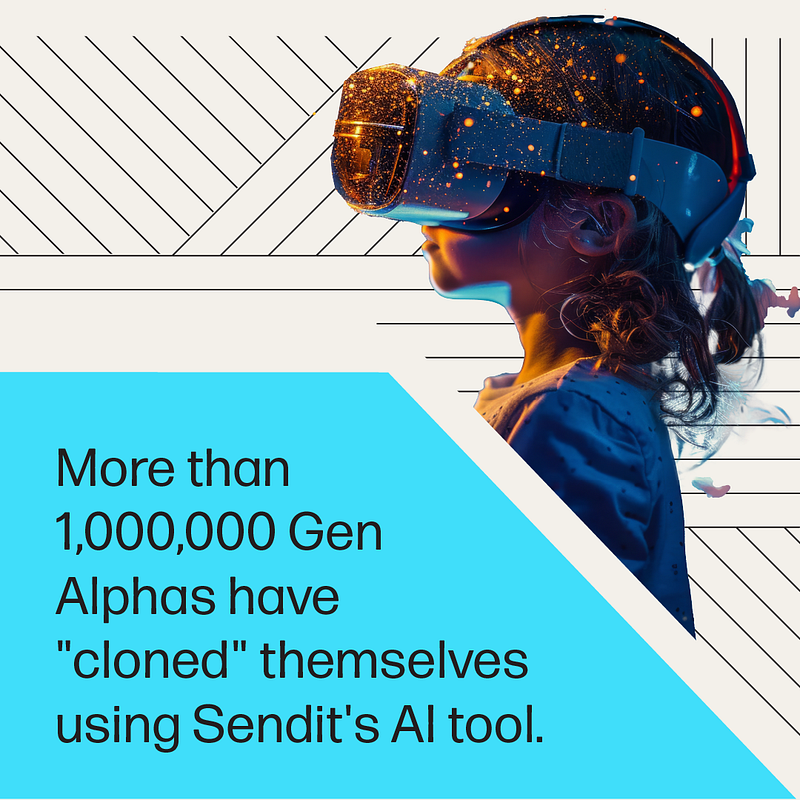
Imagine having a virtual twin — a clone that knows you so well that it can answer and initiate questions on your behalf. For 1 million Gen Alpha users, this isn’t sci-fi: it’s reality, courtesy of Sendit. More than 1,000,000 Gen Alphas have already cloned themselves using Sendit’s AI tool. The app can share your story, even when you are not there, help friends pick out a present for you, or recommend a cool new restaurant to cousins.
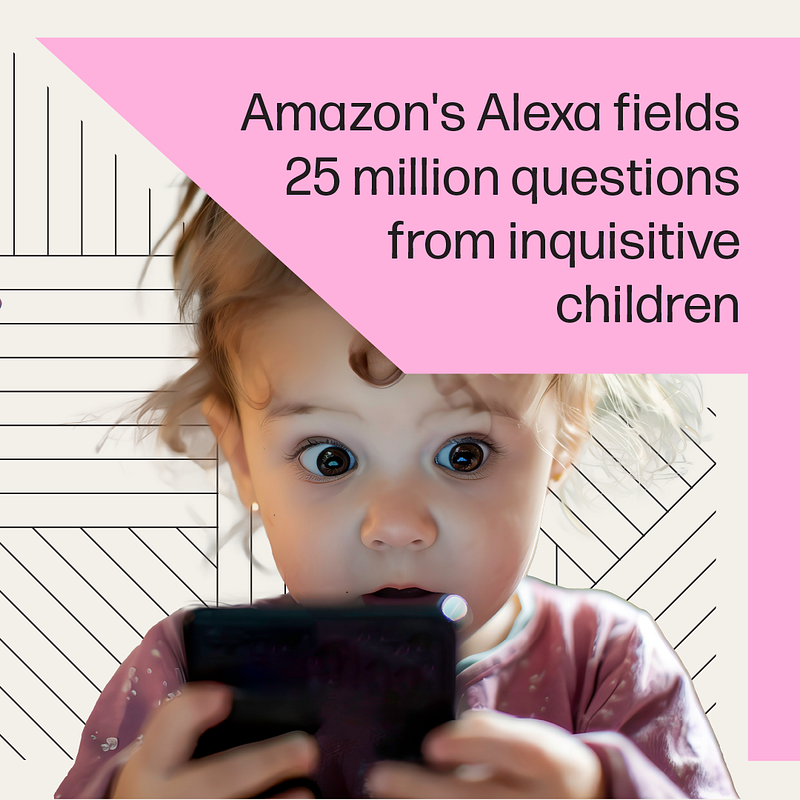
But AI is not all fun and games. It is also transforming the way learning is delivered and received. Every month, Amazon’s Alexa fields 25 million questions from inquisitive children, showing that the thirst for knowledge is now quenched through voice-activated AI. 
ChatGPT is also proving to be a useful tool for both educators and students. A recent survey by Impact Research found that 51% of teachers reported using ChatGPT and a third of students.

AI in the classroom is just the beginning. As 2024 graduates step into the real world, a staggering 50% plan to acquire new skills, fully aware that tools like ChatGPT and DALL-E will be part of their future careers.

Salesforce found that 65% of today’s generative AI users are Millennials or Gen Z, and a formidable 72% of this cohort is gainfully employed, signifying the seamless integration of AI in the working world.

Moreover, nearly half of Gen Z prefer AI over their managers for advice, according to Workplace Intelligence. It’s clear that trust in AI’s capabilities is burgeoning.

Gen Z and Gen Alpha’s imprint on the next wave of AI technologies

With Gen Z being considered digital natives and Gen Alpha taking the crown as AI natives, it’s no wonder they are profoundly impacting where AI technology is heading.

Take Elemental Path’s CogniToy’s Dino, designed for young Gen Alphas, which uses IBM’s Watson to answer children’s questions and converse with them.

LEGO’s Boost Sets combine classic play with coding, demonstrating how introducing technology through fun and popular building blocks can teach kids about coding and AI. But Brian Schwab, director of interactive design at the LEGO Group sees this as only the beginning. In an interview with Toolify.Ai, Schwab shared that LEGO is incorporating AI to enhance the creative and interactive aspects of their iconic building bricks, allowing children to tell their own stories and explore their creativity in new ways.

Language learning has found a new ally in AI. The Duolingo Max application uses ChatGPT-4 to provide feedback and highly tailored lessons, much like a virtual tutor. Thus, creating more personalized learning experiences.

Personalization hits a high note as Spotify’s AI DJ presents music tailored to Gen Z and Gen Alpha tastes — be it fresh hits or old favorites. Spotify editors use GenAI to offer up facts about the music, artists, or genres being listened to. Through their acquisition of Sonantic they are also able to create AI DJs.

Gen Z doesn’t just see personalization for music; they would like to see AI bring personalization to all factors of their lives, including shopping. 88% of Gen Z consumers believe AI will improve online shopping. More than half of them hope for an AI shopping assistant to make it easier to find products based on their personal interests.

How those online products are delivered is also paramount to both Gen Z and Gen Alpha, who put sustainability and social awareness at the top of their interest list. This is helping to fuel new AI innovations. Amazon’s Package Decision Engine uses a multimodal AI model to determine the most efficient packaging for each item sold on its website. Meanwhile, DHL’s AI-powered OptiCarton software plays a game of Tetris with shipping containers, ensuring each container is filled with parcels, leaving no empty spaces.

Gen Z and Gen Alpha’s comfort level with AI and world views will shape what AI-powered apps they will use directly and how AI will be used to enhance the world around them. Their interaction with AI across learning, play, work, and lifestyle is a precursor to a society where AI is not just a tool but a collaborator, co-creator, and confidant.

Blog Futurism & Technology Trends Innovation

Who is Generation Alpha? Understanding our future trendsetters

As the world evolves, so does each generation. Right now, the spotlight is on Generation Alpha, the demographic cohort succeeding Generation Z. But who exactly are they, and what sets them apart?

Meet Gen Alpha

Generation Alpha (Gen Alpha) consists of children born from 2010 to 2025. They are the offspring of Millennials and the first generation born entirely in the 21st century. Gen Alpha is expected to be the largest in history, with more than 2 billion people worldwide, and may outnumber Baby Boomers by next year.

They are also the most globally and racially diverse generation. Around the world, more than 2.8 million Gen Alpha are born every week, with the highest numbers in India, China, and Indonesia. In the U.S., there are over 51 million Gen Alphas. While just over half of Gen Z in the U.S. identify as non-Hispanic white, Gen Alpha will mark the first generation in which less than half of the population is white.

Our most tech-savvy generation yet

The Hyper-Digital Generation

For Generation Alpha, technology isn’t just prevalent; it’s omnipresent. The lines between offline and online life are blurred for these digital natives who have never known a world without smartphones, social media, or instant access to information.   

Augmented reality (AR), virtual reality (VR), and artificial intelligence (AI) are not cutting-edge innovations for Alphas; they are part of their daily lives.

Gen Alpha has never known a world without iPads. Nearly half of Gen Alphas own tablets. They have been exposed to tablets, mobile phones, and other electronic devices since a very young age.   

According to Razorfish, many young Gen Alphas between the ages of three and five already have tablets: 43% have one before age six. As they reach six and seven, they become exposed to more complex technologies, including video game consoles, earbuds, and smart TVs. By eight and nine, laptop and desktop computers are introduced, with their millennial parents giving them their first smartphone around nine.

Welcome to the “screen-age”

According to research firm Gitnux, children aged 8 to 12 spend nearly five hours per day on screens of various devices. Because they have access to many devices, Gen Alphas are used to focusing on multiple screens at once. This means they consume content in a very different way than previous generations.

Noah Mallin, chief strategy officer of media and social agency IMGN Media, provided a great example: “For Gen Alpha, it’s more like studying on Quizlet on your smartphone, while YouTube is on in the background on the family Roku — and you’re using the computer to hang out with friends in Minecraft.” This makes them highly effective multi-taskers and can result in shorter attention spans.

Content consumers and creators

YouTube is Gen Alpha’s favorite platform. In a Breno Bain survey of 7 to 14-year-olds, YouTube was seen as the coolest brand. It is also the favorite platform for consuming content, with 86% of Gen Alphas surveyed consuming content on YouTube. This is thanks to brands targeting this generation on the platform, and Gen Alpha influencers and content creators continually popping up on YouTube and TikTok.

Take Ryan Kaji, a Kidfluencer with nearly 37M followers on YouTube, Everleigh Soutas with nearly 4M followers on YouTube, EthanGamer and his 3.2M followers who watch him play Roblox and Minecraft, and Nastya with her whopping 114M followers.

Creative gamers

Like Gen Z, Gen Alphas are also big gamers. But where Gen Z likes gaming to escape or relax, Gen Alpha sees it as a creative outlet, a place to build their worlds, and a place to socialize. Games like Roblox and Minecraft are their gaming worlds of choice. That’s why brands like Walmart, Nike, Barbie, and the NBA have all found their way onto Gen Alpha-heavy platforms.

AI natives

While Gen Z is referred to as “digital natives,” Gen Alpha has earned the honor of being coined “AI natives.” Gen Alpha has grown up alongside AI innovations, from Alexa to Google Assistant, AI-based characters in video games, deepfake YouTube videos, and ChatGPT. They’re the most comfortable generation yet when collaborating and conversing with AI.

What’s important to Gen Alpha?

Education, creativity, and independence

For Gen Alpha, education is becoming more personalized and technology-driven than any previous generation. They value creativity and are likely to pursue learning paths that allow them to explore their imaginative sides. Gen Alpha knows how to quickly navigate the digital landscape to find solutions, explore new ways of individual expression, and acquire knowledge independently.

Environmental concerns

Growing up with climate change as an ever-present concern, Gen Alpha places great importance on sustainability. They are already aware of our planet’s environmental challenges and are poised to be more eco-conscious in their choices, even more so than Gen Z. One-third of Gen Alphas surveyed said they want to make a difference, help others, or help the planet when asked what they want to be when they grow up.

Diversity, inclusion, and authenticity

Living in a hyperconnected world, Gen Alpha is the most globally aware generation yet. Their interconnectedness offers them access to news, resources, and cultures that have the potential to shape their views as global citizens and how they advocate for causes that are most important to them.

Gen Alpha expects to see these values reflected in society because they were introduced to diversity and inclusion from an early age. They are growing up in a world where gender fluidity and racial equality are increasingly recognized, shaping a more accepting worldview. 92% of Gen Alpha respondents understand the power of authenticity. They value standing up for people, understanding people who are different, learning new things, and self-expression.

Brand loyalty

While Gen Z has expressed its anti-consumerism sentiments, distancing itself from overconsumption, Gen Alpha is more like its Millennial counterparts, exhibiting brand loyalty and obsession. Examples of that can be seen in their recent obsession with Stanley Quenchers and Sephora products.

Gen Alpha also has a big influence on their parents’ purchases, with Morning Consult reporting that by age 5, they are influencing household purchase decisions, with 85% of parents saying that their five- to nine-year-olds have explicitly requested products they’ve seen in stores, on TV, or online.

Gen Alpha is already showing its discerning taste and is looking for authenticity in brand marketing and relatable spokespeople. Brands like Claire’s are creating The Collab, a community platform targeted at Gen Alpha and Gen Z to connect with musicians, dancers, skateboarders, fashion influencers, and more. Crayola is following its massive YouTube success with Gen Alpha-specific content that resulted in a 40X increase in organic views by bringing it to other platforms such as TikTok and Pinterest.

Future job market

Gen Alpha will make up 11% of the adult workforce by 2030, and 65% of Gen Alphas will work in jobs that don’t exist today. Unlike Gen Z, Gen Alphas will enter a job market dominated by AI and automation. Adaptive skills and continuous learning will be essential for success in their careers.

This generation is ready to embrace these new skills and technologies, with 59% of Gen Alpha believing that AI, virtual reality, and smart assistants will be integral to their future jobs. They see technology as a way of engaging with the world and will bring a more global view to their jobs.

They have also watched their parents transition during Covid to a more flexible work set-up, making remote and hybrid work not a nice to have for Gen Alpha but an expectation.

This generation has the potential to be innovative and entrepreneurial trailblazers, adept at research, problem-solving, online collaboration, and a strong desire to make a difference.

Generation Alpha is set to leave a bold imprint on our cultural, technological, and environmental landscape. Their ingrained understanding of technology, alongside a strong sense of social responsibility, may well propel us toward a future that prior generations could scarcely have imagined.

Futurism & Technology Trends

Preparing for Gen Z as a Futurist

As a futurist, my job is to anticipate change and stay on top of current trends. There’s a new generation entering the workforce – Generation Z. Following Millennials, this generation includes those born between 1995 and 2010. While being defined as the most ethnically-diverse and largest generation in American history, Gen Z also grew up surrounded by technology, also making them the most tech-savvy generation.

I’ve previously provided some thoughts on thinking like a futurist and today, we’re diving deeper into the role Gen Z plays in the future. Here are my tips for how to collaborate with Gen Z:

1. Put yourself in their shoes

It’s important to acknowledge the obvious differences that divide each generation. For example, Gen Z grew up in a post-9/11 world with new technology and completely different childhood experiences than those of previous generations. With technology constantly at their fingertips, this generation of “digital natives” have had nearly lifelong access to boundless amounts of information at the drop of a hat. In fact, 97% of Gen Z have smart phones and spend more than 4 hours a day online.

And because they’ve never spent a day offline, they are acutely aware of the issues and challenges happening in the world around them. As a result, they are 54% more likely to say they want to have an impact on the world as compared to millennials. Also noteworthy is their attitude towards work and employers; almost half consider what the company does to make the world a better place as important as the salary.

By becoming familiar with Gen Z, and by understanding the different era and experiences they’ve grown up with, you’ll gain a better understanding of how to effectively collaborate with them. Whether it’s through asking questions, doing research, or understanding current trends, you won’t fully see eye-to-eye with this generation until you put yourself in their shoes.

2. Pay attention to what’s important

In the next decade, Gen Z is expected to cause an influx of roughly 60 million job seekers, effectively transforming the workplace. Concerning their careers, Gen Z-ers are very driven and competitive. Nothing motivates them more than achieving success and being rewarded for their good efforts. They value skill development and appreciate feedback, as they are always hoping to improve their performance. A controversial topic amongst Gen Z is the debate over work-life balance. It can be argued that this generation struggles the most with this – 24% say they feel guilty for taking time off work. On the other hand, 39% view work-life balance as a top priority when choosing an employer. Knowing these statistics as an employer can help foster a healthy work environment for future employees.

When choosing where to work, Gen Z will base their decision on the company’s values. This generation’s passion for sustainability, diversity, and inclusion reflects in their expectations for their future employers. Studies show that 77% of Gen Z believes a company’s level of diversity affects their decision to work there.

3. Stay up to date on trends

As any futurist knows, one of the most important ways to prepare for the future is to stay up to date with the latest trends. This applies to Gen Z trends as well. The more informed you are, the more prepared you will be to work with this generation.

Here are some resources for futurists to better understand Gen Z:

  1. After the Millennials
  2. Gen Guru
  3. Gen Z Insights
  4. Generational Differences in the Workplace Infographic
  5. Looking Ahead to Generation Z

We can all benefit from learning from one another. As this new generation enters the workforce, preparing through a lens like this will allow us to better understand and support them in their journey as they embark on this new chapter.

Blog Entrepreneurship Futurism & Technology Trends Innovation Leadership