“More Robots Means Fewer Jobs”, “Jobs that Humans Will Lose to Robots”, “Robots Taking Over Jobs” – these are just a few of the headlines I’ve seen recently surrounding robotics and their threat to human jobs.

“More Robots Means Fewer Jobs”, “Jobs that Humans Will Lose to Robots”, “Robots Taking Over Jobs” – these are just a few of the headlines I’ve seen recently surrounding robotics and their threat to human jobs.

I often read articles detailing consumers’ struggle with change, but I disagree. I think consumers are exceptionally comfortable accepting new technology. Just five years ago it would have been hard to imagine that more than half of North Americans would share cars, housing, work spaces and more with a simple tap or click on their mobile phone or computer.
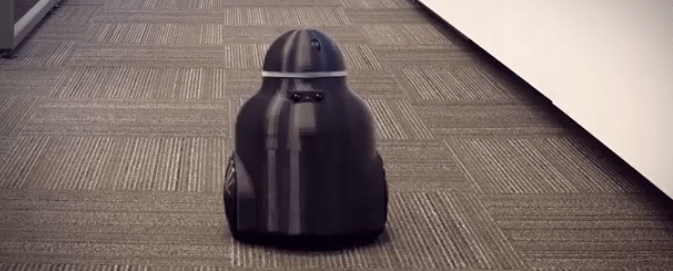
There is constant innovation and imagination flowing through the building at the HP Robotics Lab in Boise, Idaho. During my most recent visit to the lab, I experienced that magic first hand, so we decided to try and capture it on video.
Nicholas Negroponte, founder of the MIT Media Lab, pushes the edge of the information revolution as an inventor, thinker and angel investor.
In this TED talk, Negroponte recounts the last 30 years of technology. He highlights his predictions from the 1970s and 80s that were originally dismissed, but are ubiquitous today. He also leaves us with a fascinating prediction – we will ingest information through our blood stream in the future.
Ingestibles are especially intriguing to me because it’s a technology that has the potential to be transformational. We are moving from a world where we carry technology, to a world where we wear technology, and more recently to a world where we can now ingest it. At this point, I don’t think we’re far off from Negroponte’s prediction becoming a reality.
READ ALSO: Fitness Wearables Not Fit For Your Wrist
In fact, healthcare-focused ingestibles have already hit the market. The FDA-approved Proteus pill uses a one-square-millimeter sensor to transmit important information about your health to your doctor or family member. Upon swallowing, the sensor is activated by electrolytes within the body. The pill then transmits a signal to a small patch worn on your torso and sends the data via Bluetooth to a designated smartphone.
When you think of this pill by itself, it may seem like a novelty, but when you consider the strides made in wearables and ingestibles along with the convergence of consumer products and specialized medical devices, it’s inevitable that we’re going to experience a structural change in our healthcare system.
I want to hear your predictions. How do you think ingestibles will be used in the future?

While the majority of wearables are fitness trackers that snap onto your wrist to gain access to information about your workouts, we’re now seeing a shift in the fitness wearables marketplace. In addition to fashionable wearables making waves, we’re also seeing fitness wearables expanding beyond your wrist.

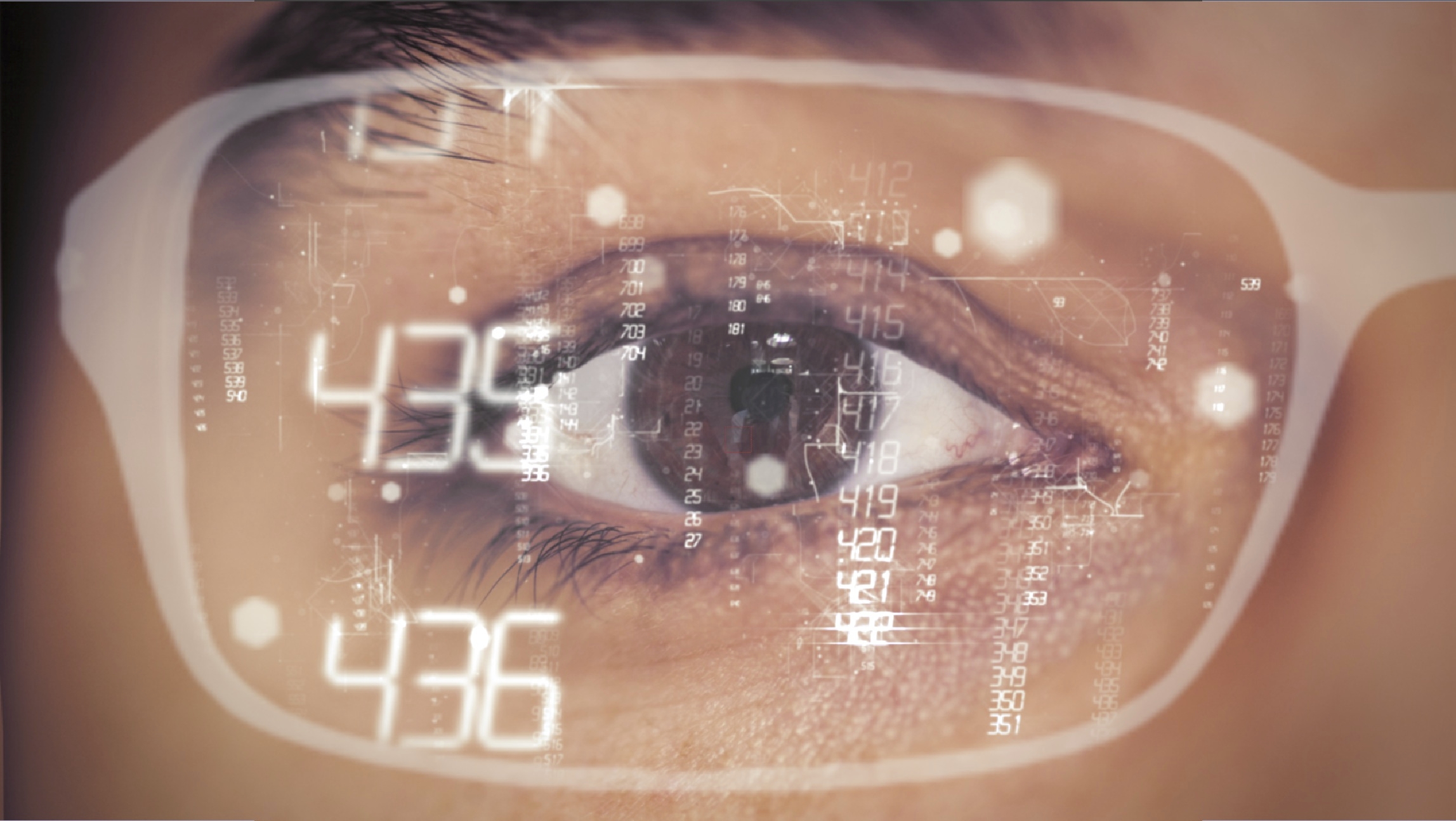
Wearable technology is already making a difference in the way we monitor our health. Devices such as wearable fitness trackers monitor our activity level, our sleep cycle, and even the calories we consume in order to manage our personal fitness goals.
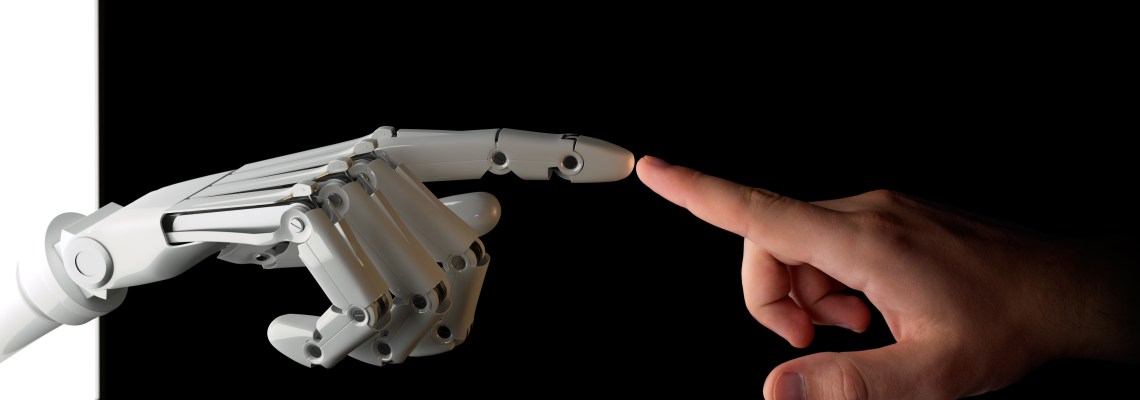
In this TED Talk, Guy Hoffman explains how he used inspiration from Pixar and his background in animation and acting to create a robot with “soul”.
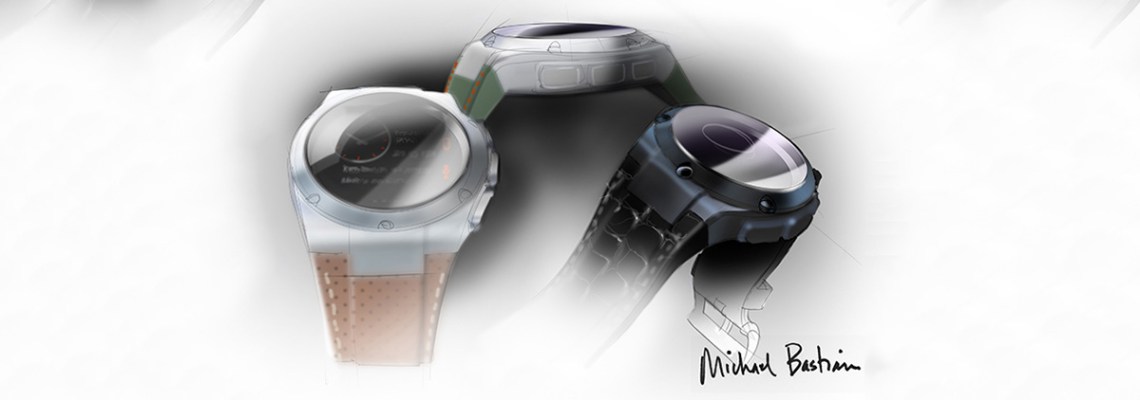
2014 seems to be the year of wearables. Despite the hype surrounding wearable technology, most options have kept fitness and features in the forefront and aren’t particularly wearable or fashion forward.

